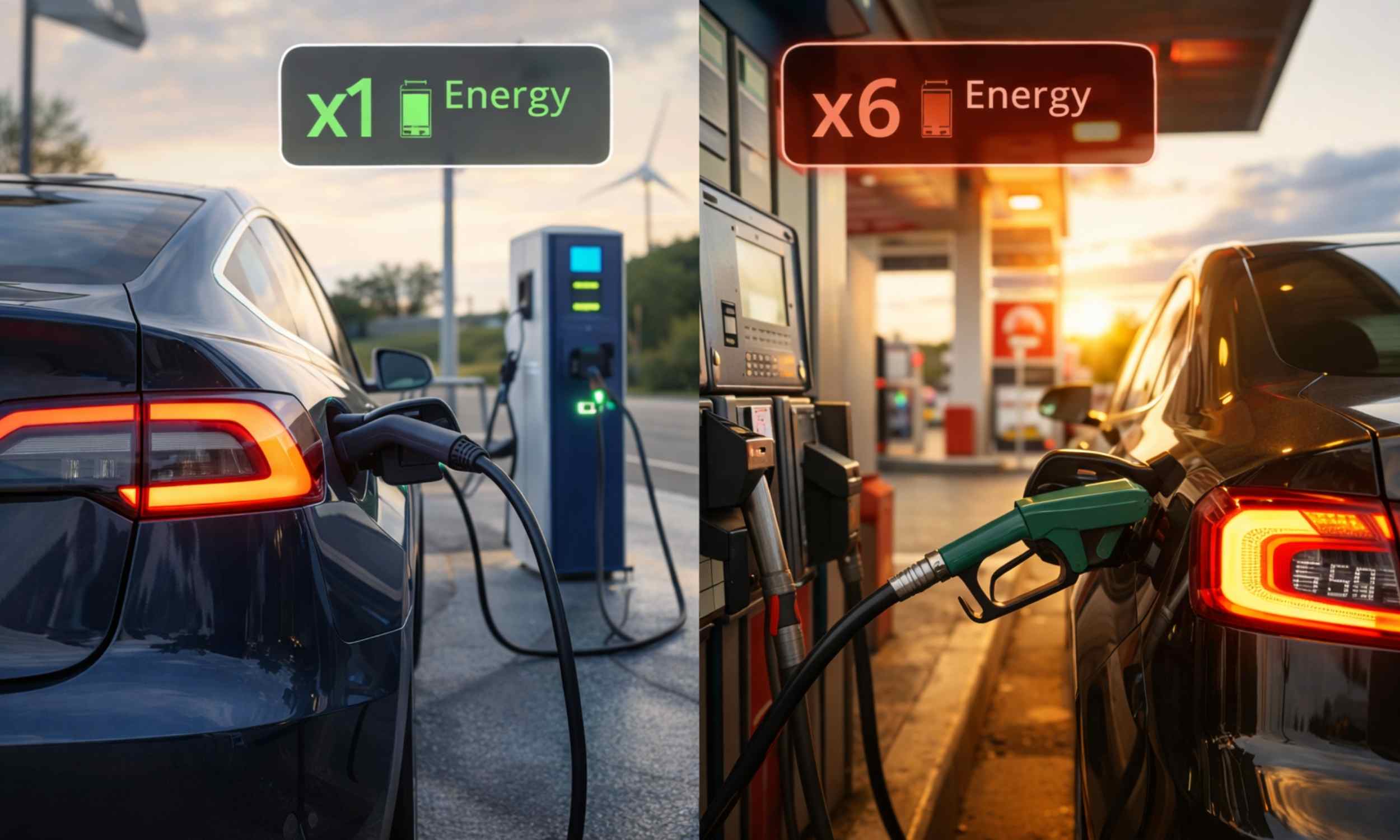
In a groundbreaking development that could reshape the landscape of energy and transportation, the H2 Starfire engine by Astron Aerospace has been unveiled as a revolutionary hydrogen-powered engine. Promising to be three times more efficient than any engine currently on the market, this innovative technology offers a glimpse into a more sustainable future as the world grapples with the urgent need for cleaner alternatives to fossil fuels.
A leap in hydrogen technology by Astron Aerospace
The H2 Starfire engine is a significant advancement in hydrogen fuel technology, addressing many of the limitations that have hindered the widespread adoption of hydrogen-powered vehicles. Traditional hydrogen engines have faced challenges such as efficiency, cost, and infrastructure availability, making them less viable compared to battery electric vehicles (EVs). However, the Starfire engine’s cutting-edge engineering enables it to extract energy from hydrogen in a way that significantly boosts efficiency.
While every major automobile company is focusing their best efforts on fully electrifying their vehicle fleets, internal combustion engines are not going anywhere. Astron Aerospace has recognized that the demand for internal combustion engines still significantly outweighs electric vehicles and hybrids. Instead of trying to get rid of them all together, a more realistic route may be to adapt the internal combustion engine to run on alternative fuels.
Recognizing demand and taking initiative
One of the major advantages of hydrogen fuel-cell technology is that new components and technology is not needed. A major challenge with electric vehicles is that they require entirely different infrastructure. By focusing on developing hydrogen technology, Astron Aerospace may be able to help automobile companies make the jump to clean energy faster by upgrading what is already in place instead of having to do a total re-do.
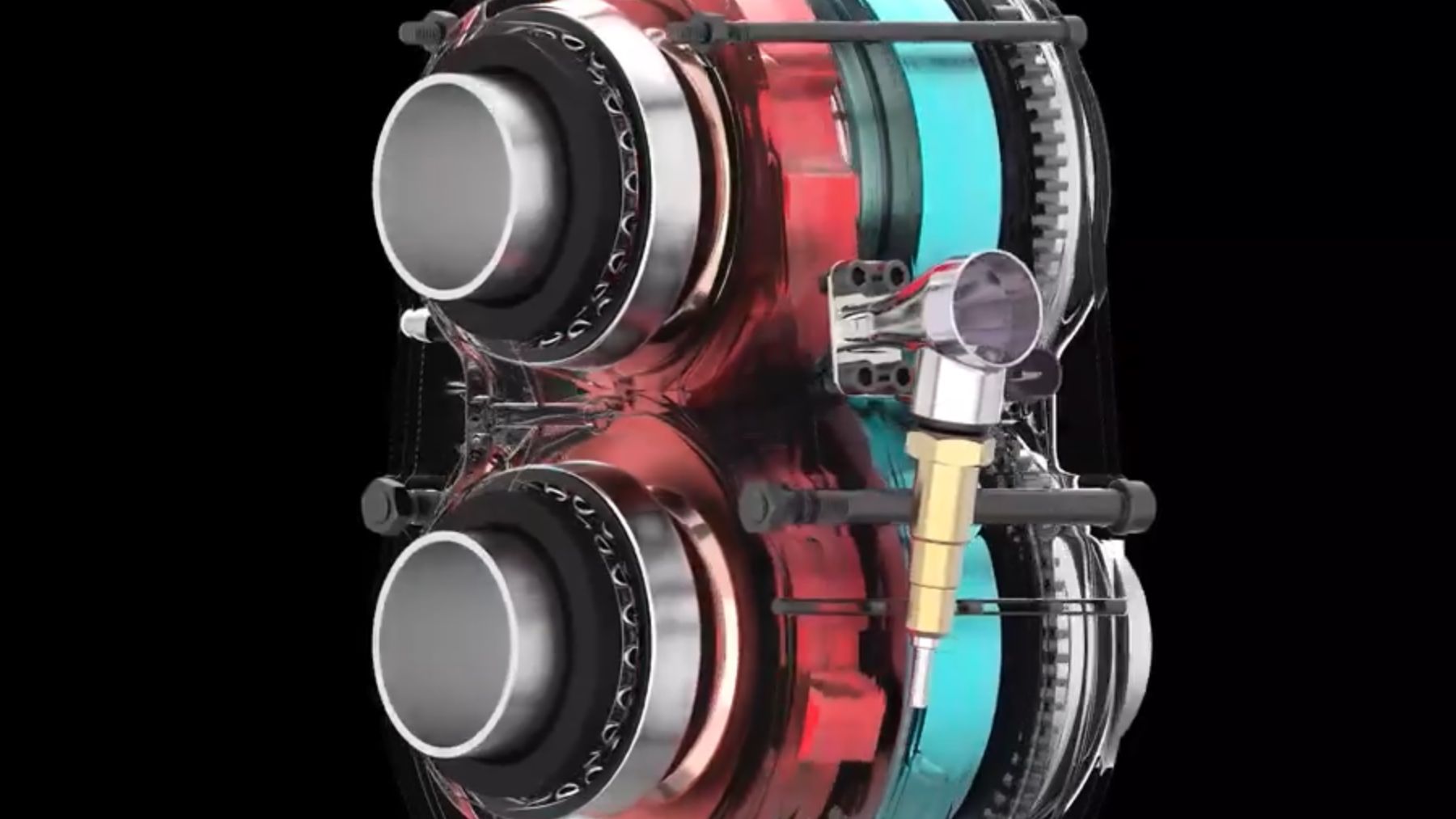
The H2 Starfire engine makes use of high operating rotations per minute, sweeping from 1,000 RPM to a redline of 25,000 RPM. Further, the engine can be stacked to make more power. One H2 engine weights 120 pounds, produces 400 horsepower and 500 pound-feet of torque. It also measures at mere 29 by 32 by 44 centimeters (or 11.4 by 12.5 by 17.3 inches). This means that the engine is compact and powerful enough to be fitted across multiple models without compromising on power for larger vehicles.
A green fuel for the future
One of the standout features of the Starfire engine is its unique combustion process, which optimizes the use of hydrogen while minimizing waste. The engine produces a by product of only water, significantly reducing CO2 emissions. In a world increasingly concerned about climate change and environmental degradation, the potential of the Starfire engine to contribute to cleaner air and reduced greenhouse gas emissions cannot be overstated.
Hydrogen technology has been increasing in uptake, most significantly efforts have been seen by Toyota placing multiple resources into developing efficient widespread hydrogen technology. The H2 Starfire is significantly more efficient that its predecessor Omega 1. Technological advancements in hydrogen technology are increasing in leaps and bounds each year, and it may be sooner than we think to see hydrogen vehicles compete with the popular electric hybrids.
The automotive industry is at a crucial juncture, facing pressure to transition to greener alternatives, and the Starfire engine offers a compelling solution. As automakers look to meet the growing demand for eco-friendly transportation, the Starfire engine could catalyze a shift toward hydrogen-powered vehicles, thereby accelerating the transition to a more sustainable automotive ecosystem beyond the limits of electrical engine technology.
While hydrogen engines are a compelling idea, significant efforts will have to be made to install fueling stations and convince the public to accept hydrogen as a viable fuel source. Nevertheless, the new engine is a promising advancement in green energy.