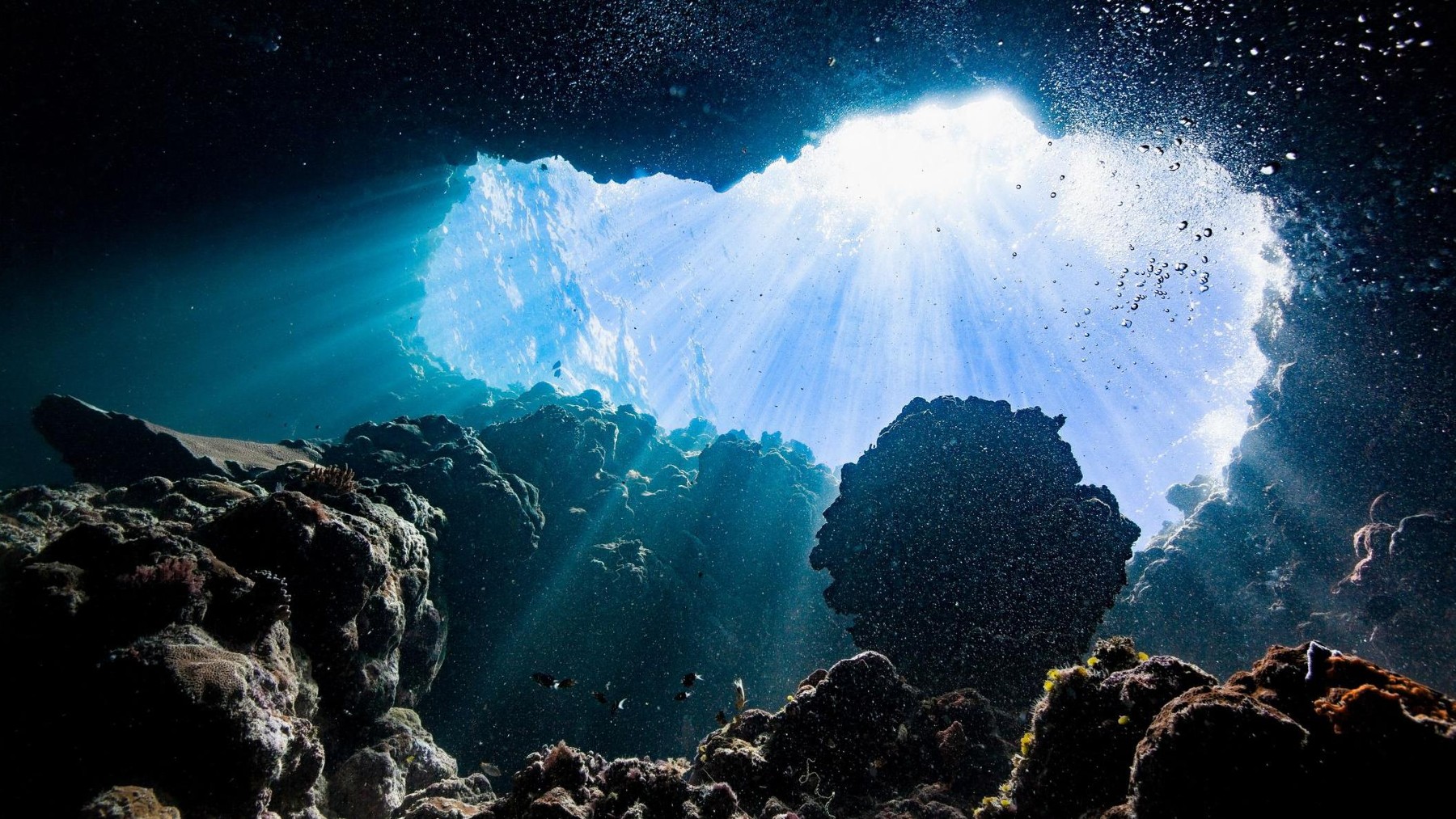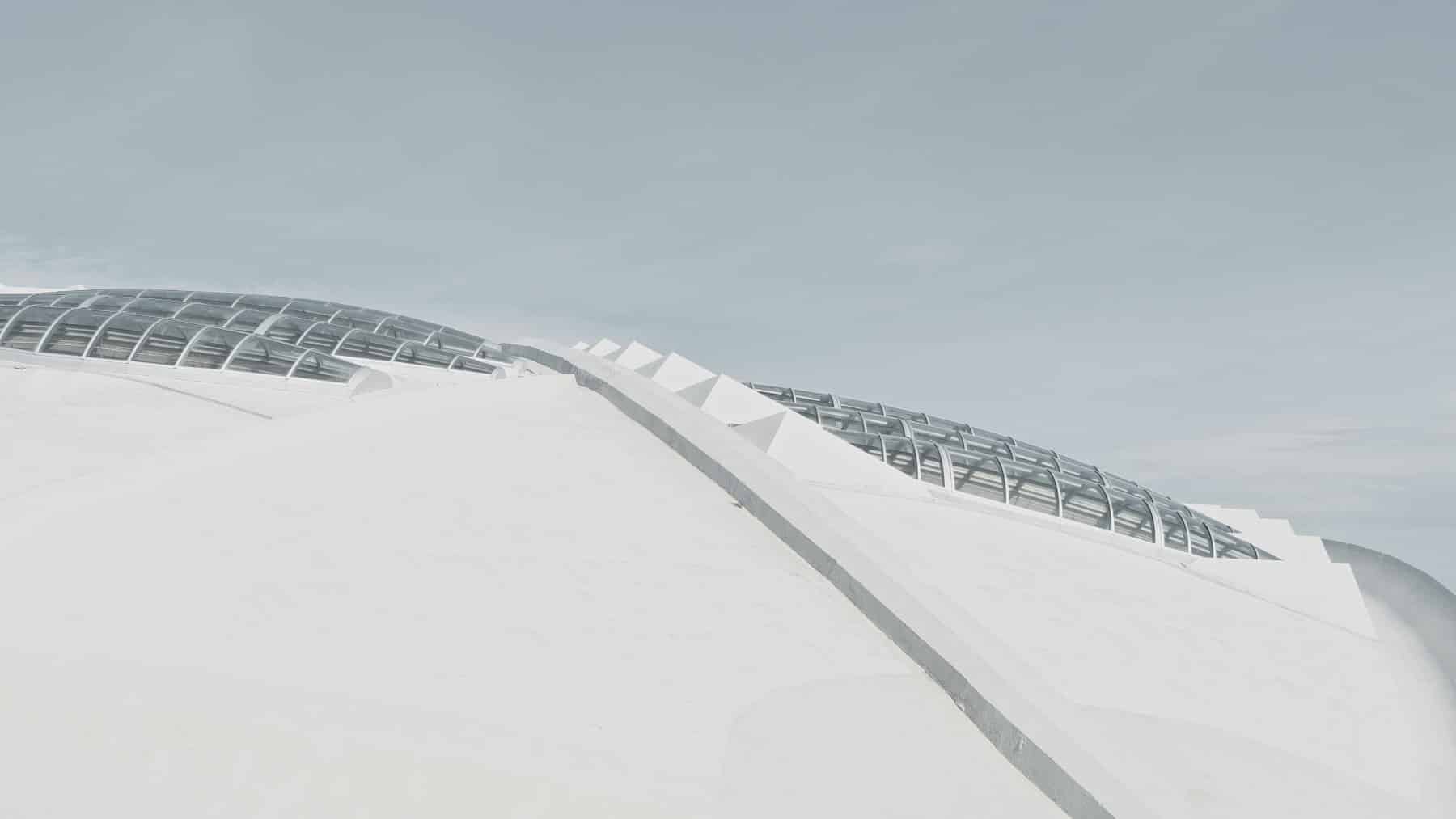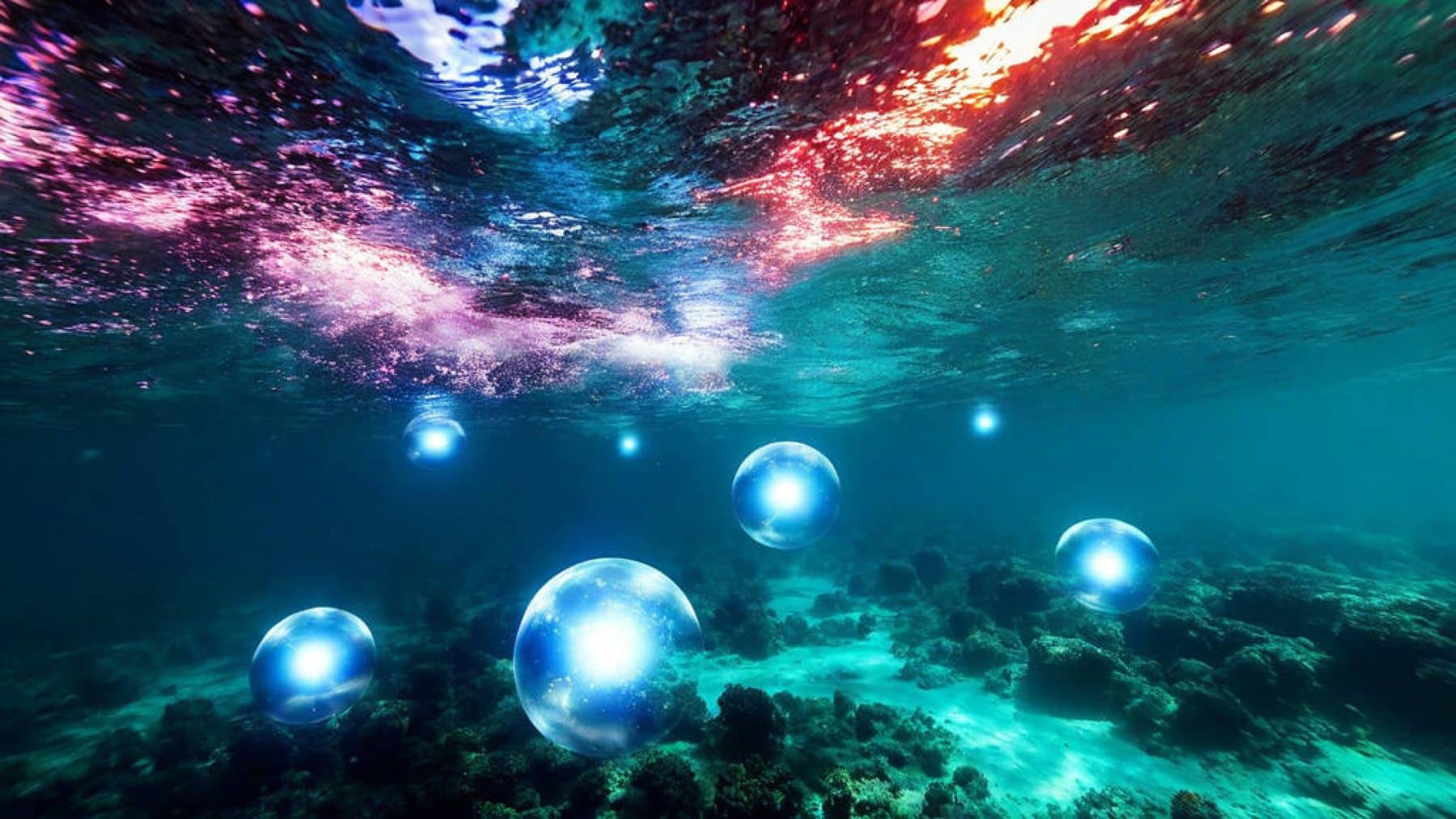
Massive underwater spheres with volumes reaching 12,000 cubic meters are about to be deployed across the United States through an innovative energy storage deployment. The StEnSea (Stored Energy in the Sea) project includes these spheres, modernizing the methods for sustaining and directing energy storage. These gigantic structures hide what exactly they contain and function as a system.
The StEnSea project: A breakthrough in energy storage
Fraunhofer Institute created the StEnSea project to store energy within the ocean depths. Underwater spheres use natural deep-sea pressure to operate an innovative method for efficient energy storage. Renewable energy technology sees a significant step forward through this innovative project.
How the StEnSea system works
The StEnSea system applies pressure from deep ocean water as an energy storage technology. Water is pumped out from spheres when there is excess energy to leave a vacuum behind in the objects. They take water during energy requirement to initiate the rotation of the turbines that in turn generate electricity. This efficient method allows for adequate energy storage.
These structures are for storing power exclusively, but the scientists still have no idea what the internal structure of these spheres is. These spheres encompass advanced technologies that enhance the conversion and power storage rates. Understanding the many internal systems allows for capability assessment of utility for the present as well as projected future use.
Internal components and technology
Each sphere contains specialized instrumentation, including turbines and control systems, together with pumps that operate water flow for energy transformation. The system components maintain resistance against the remarkably high pressure observed at depths of 700 meters. Its modern technology ensures that the system functions effectively and consistently.
Advantages of underwater energy storage
Underwater energy storage provides better advantages than conventional power storage solutions. The StEnSea project exploits the natural properties of the ocean to build an efficient, sustainable energy storage solution. This energy storage approach deals with significant problems in renewable energy systems, including intermittent behavior and limited capacity.
Underwater energy storage proves to be advantageous because it generates minimal environmental consequences. The energy storage system functions independently from extensive land requirements and major landscape modifications. This system operates without sound emissions while maintaining environmental sustainability as its principal operational attribute for energy storage.
The StEnSea system displays exceptional efficiency because it enables the storage of abundant energy quantities. The system scales easily, which makes it workable across diverse applications, from small power projects to big storage facilities. The adaptable technology integrates seamlessly with different power systems to improve the stability and dependability of grid power networks.
Prospects and potential applications
The release of these submerged spheres establishes an important improvement in storage technology for energy systems. After the StEnSea project progresses beyond current development levels, new environmentally friendly energy applications will become possible. The extensive capability for technology adoption ensures a sustainable answer to address worldwide energy demands.
Integration with renewable energy sources
The StEnSea system functions as a modular system to support different renewable energy sources, including wind power and solar energy. This technology establishes a dependable storage solution that reduces intermittent conditions in alternative energy generation systems. The integration will improve the efficiency and stability of renewable energy systems.
Advanced research and development activities hold promise for improving technologies to support deeper ocean depths and enlarged storage dimensions. The technology’s further expansion would enhance storage capabilities and operational efficiency, thus establishing itself as vital infrastructure for future energy systems.
In the StEnSea project, 12,000 m³ of underwater spheres function as a groundbreaking innovation in energy storage technology. Based on ocean pressure, their design provides an efficient, sustainable answer to several renewable energy obstacles. The ongoing project possesses the capabilities to transform power storage technology while advancing sustainable development in the future.