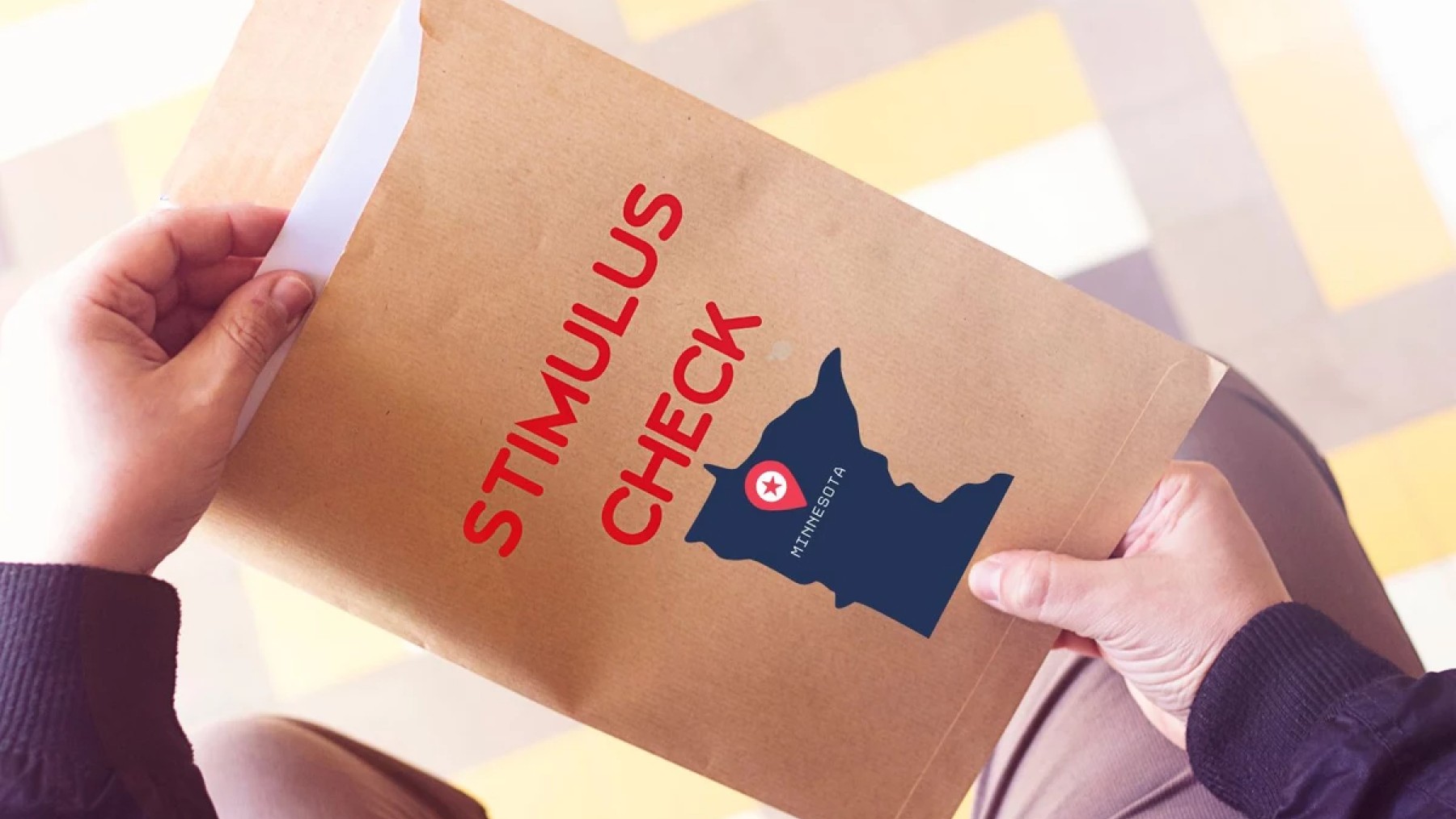
As part of a bold effort to help its residents, Minnesota has introduced a large stimulus check plan, sending almost $1 billion in rebates to recipients. It was passed in May 2023 and seeks to support about 2 million citizens through fiscal assistance.
While the state continues endeavoring for all eligible recipients to receive payments of their due amounts, this has constituted one of the most significant recent state-level stimulus campaigns. The Minnesota Department of Revenue has ensured the proper distribution of these funds, supporting issues, and resending payments in the event of misplacement of the initial payments.
Minnesota residents could get up to $1,300: Eligibility criteria and rates explained
To receive this stimulus payment, individuals must be a Minnesota resident for at least a part of the year 2021 and file either Form M1, which is the 2021 Minnesota Individual Income Tax return, or Form M1PR, which is Homestead Credit Refund/Renter’s Property Tax Refund by December 31, 2022.
The annual income limit is $150,000 for married joint filers and $75,000 for all other filing statuses in terms of the 2021 AGI. Furthermore, applicants cannot be claimed as dependents on somebody else’s 2021 state income tax return in Minnesota. The payment is also different, up to $1,300, and is paid only once.
Here’s how Minnesota plans to distribute stimulus payments efficiently and effectively
To provide the stimulus payments, the Minnesota Department of Revenue targeted deposits into bank accounts and then used checks for those who did not receive the deposits. However, the program also faced some issues, such as banking errors, incorrect information in the database, and the received checks that were either unclaimed or expired.
To get around these problems, the department has done multiple rounds of check reprinting and check reissuance. They repurchased 150,000 checks in November and December 2023 and 150,000 in February and March 2024. In the most recent effort, the department launched a new cycle of reprinting for about 128,000 payments that had not been collected by their rightful owners, thus proving its desire to find all the intended beneficiaries.
Missed your stimulus check? Here’s what to do to claim your payment
For those who believe they are entitled to the payment and could not receive it, the Minnesota Department of Revenue has provided measures to aid them. Any interested person can call the department at 651 – 565 – 6595 or email mnacebook@submittable.
Therefore, to ensure that every person gets the state’s help, residents must check the requirements of this program and apply if they are sure they fit the list of candidates but have not received their money yet. The paper checks for reimbursement are ordinary paper checks, which Submittable Holdings Inc. sends in plain white envelopes, and the paper check has 60 days of validity starting from the issue date.
If these checks remain cashed, the payment amount may be transferred to the Minnesota Department of Commerce Unclaimed Property Division, complicating the distribution process. Therefore, the billion-dollar check program implemented in Minnesota can be considered the state’s large-scale attempt to support the people of Minnesota during the difficult financial periods.
These incentives range up to $1,300, so the state is trying to somewhat ease the situation by supporting needy individuals. The distribution process has not been without its challenges. Still, the commitment shown by the Minnesota Department of Revenue in mailing, telephoning, or otherwise attempting to deliver payments to those recipients who may have failed to qualify for the payment under the law also shows a reasonable effort to ensure that the program achieves its intended goals.
While it remains to be seen how state authorities will address challenges that arise from this comprehensive six-billion-dollar plan, eligible residents of Minnesota should ensure they receive information about the possible advantages and how to receive the payment. This program offers tangible financial help and can be an example of what other states with similar support programs for their inhabitants in the future should be like.