Tesla’s experience in China, the largest market for electric vehicles, was supposed to be a success story. Yet, several recalls and issues related to safety features have recently raised many questions regarding the company.
The latest one is a recall of 1.6 million cars in China, which shows Tesla’s issues in maintaining its market presence and controlling quality while retaining the consumer’s trust.
What caused Tesla’s recall of 1.6 million vehicles in China?
Tesla said it would recall 1.68 million vehicles across the country, including imported Model S and Model X cars and locally produced Model 3 and Model Y cars made between October 2020 and July 2024.
The problem is rooted in a software malfunction that does not recognize an open hood, making an accident more likely. At this time, the hood may open suddenly, often blocking the driver’s view. To overcome the problem, Tesla plans to implement it through the vehicles’ onboard software update.
This recall comes hot on the heels of another one in America, where 1.85 million cars were recalled last month for the same problem. However, the domestic auto recall did not record any accidents in China. Still, to a great extent, the scale of leakage in auto safety defects reflects the degree of seriousness of the problem.
Tesla’s history with large-scale recalls: A more profound look
This is not the first time Tesla has had a large-scale recall in China. At the beginning of January, the company recalled 1.6 million vehicles due to safety concerns. Around the world, Tesla has been criticized for consistently experiencing recurrent quality problems such as software bugs and hardware defects.
In December 2023, with 2.03 million vehicles recalled in the United States, the company highlighted problems with its Autopilot. Even though Tesla management has been keen on addressing these challenges, several recalls have led to concerns about manufacturing and testing.
Some of these blunders are outrageous, given the company’s insistent claim on innovation, and these chinks diminish consumer trust as well as its dominance in the market.
What lies ahead for Tesla in the competitive Chinese market?
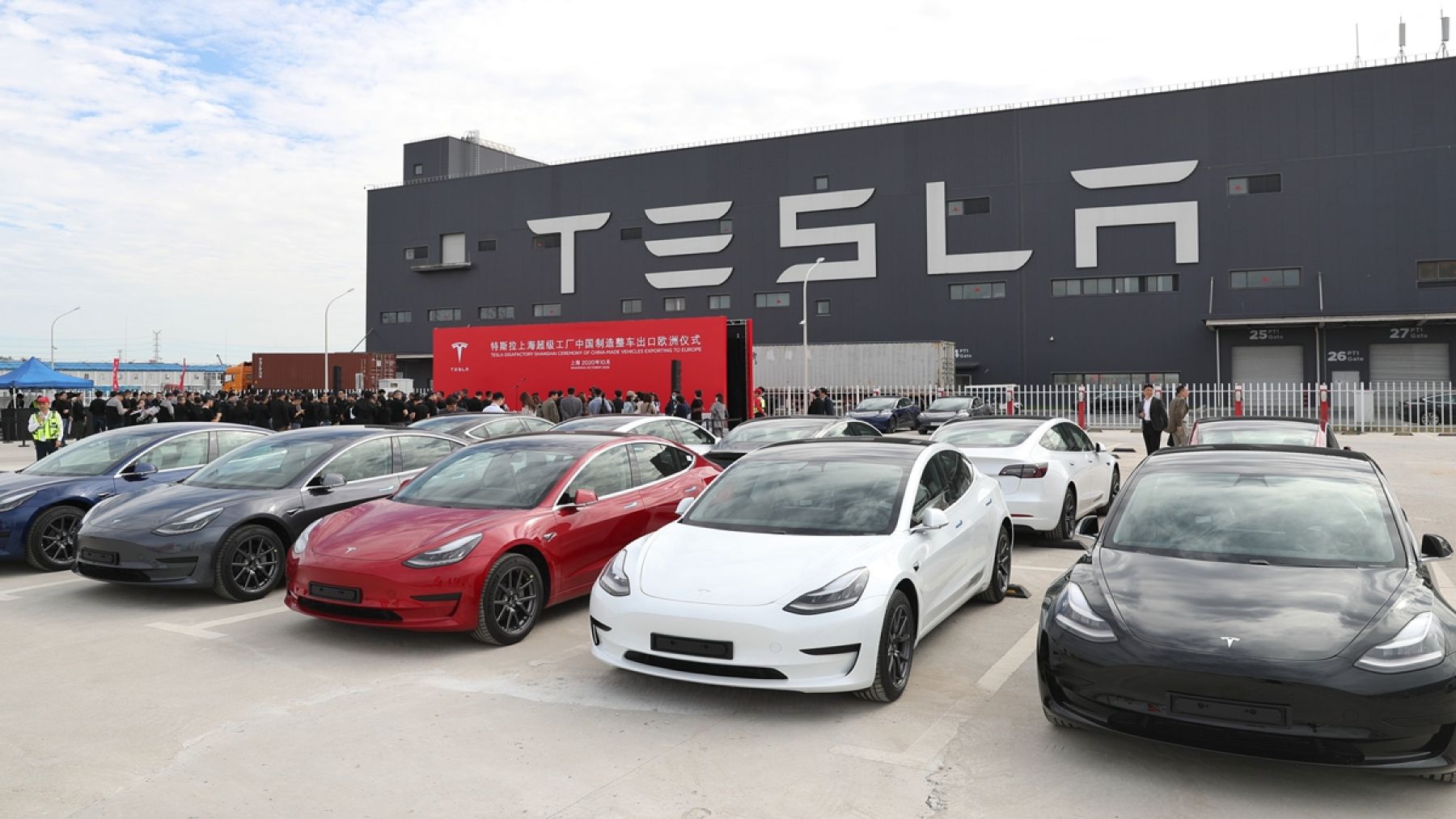
China is one of the critical locations for Tesla, and the company has a large production and sales volume in China. Shanghai Gigafactory is the largest factory for Tesla, with an annual capacity of over 950,000 production units.
Specifically, in July 2024, the company sold 74,117 China-made electric vehicles, 15.3% higher than the previous year. However, the competition in China is stiff. Chinese firms such as BYD, NIO, and XPeng are advancing quickly and making more affordable EVs.
Matters such as the recent recalls may demoralize customers and give competitors an advantage over the organization. Also important to note is the firm’s interaction with the Chinese authorities as they foresee future hurdles, especially as Tesla has to secure a regulatory nod on FSD.
Tesla’s recovery plan in China: The next steps to regain consumer trust
Nevertheless, Tesla still relies on the Chinese market. There is some good news with the company being included in a local government procurement list in Jiangsu Province. CEO Elon Musk is hopeful that regulatory approval will be given for Tesla’s FSD system in China by the end of the year.
To recover from the damage, Tesla must redouble its efforts to emphasize quality and safety. They include simplifying production steps, optimizing testing procedures, and upgrading customers’ interactions. Further, generic communication with regulators and responding to consumers’ issues will be essential to restore their confidence.
China has a fair share of ups and downs in its relationship with Tesla. Although the recall of 1.6 million vehicles points to severe problems, it also reveals Tesla’s potential for fast response using OTA.
However, quality issues constrain the automaker’s brand equity in a saturated market environment. For Tesla to have a future, it needs to stay safe and maintain reliability, which means that even though it is a pioneer car manufacturing company, it needs to maintain quality standards.