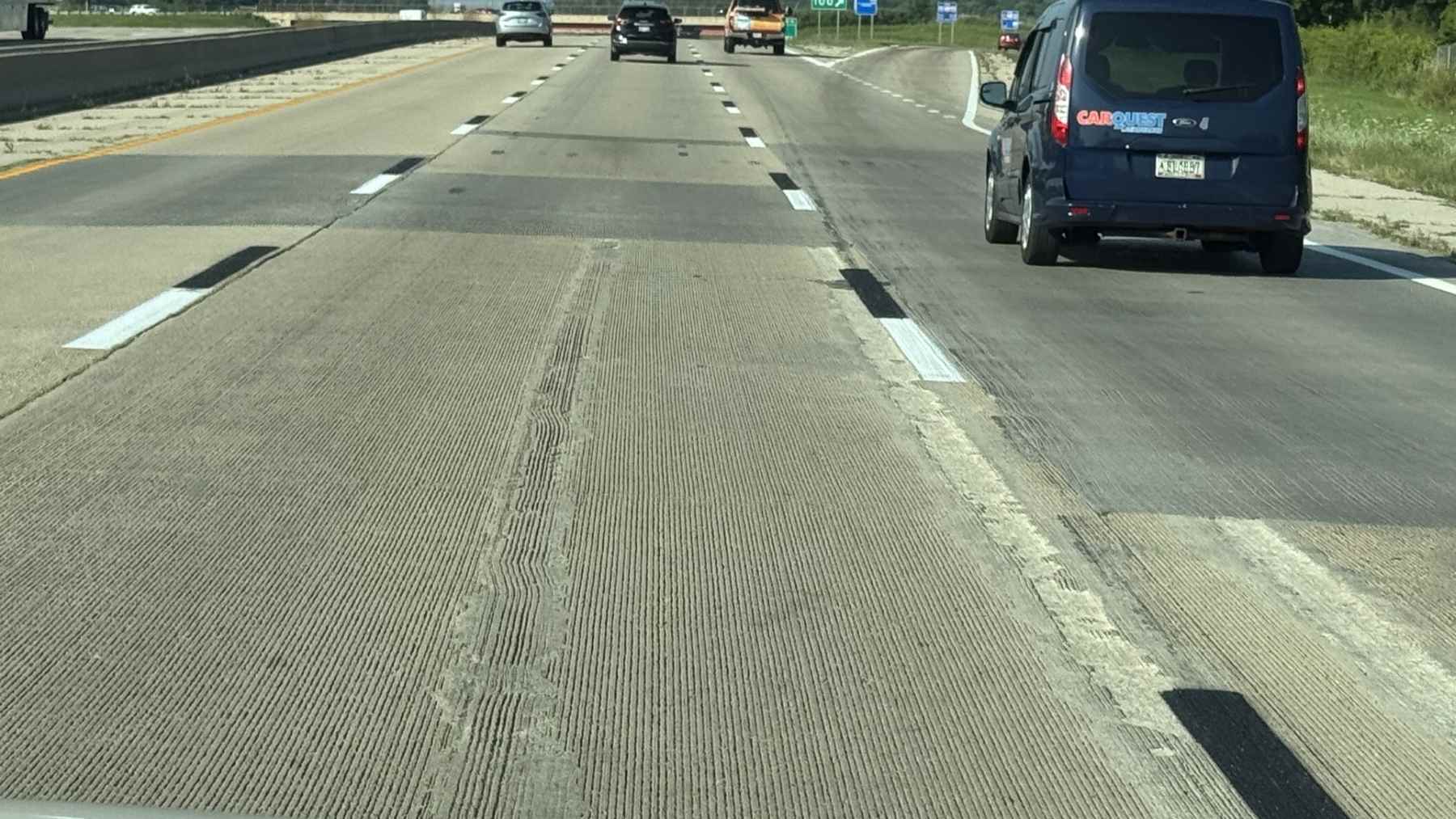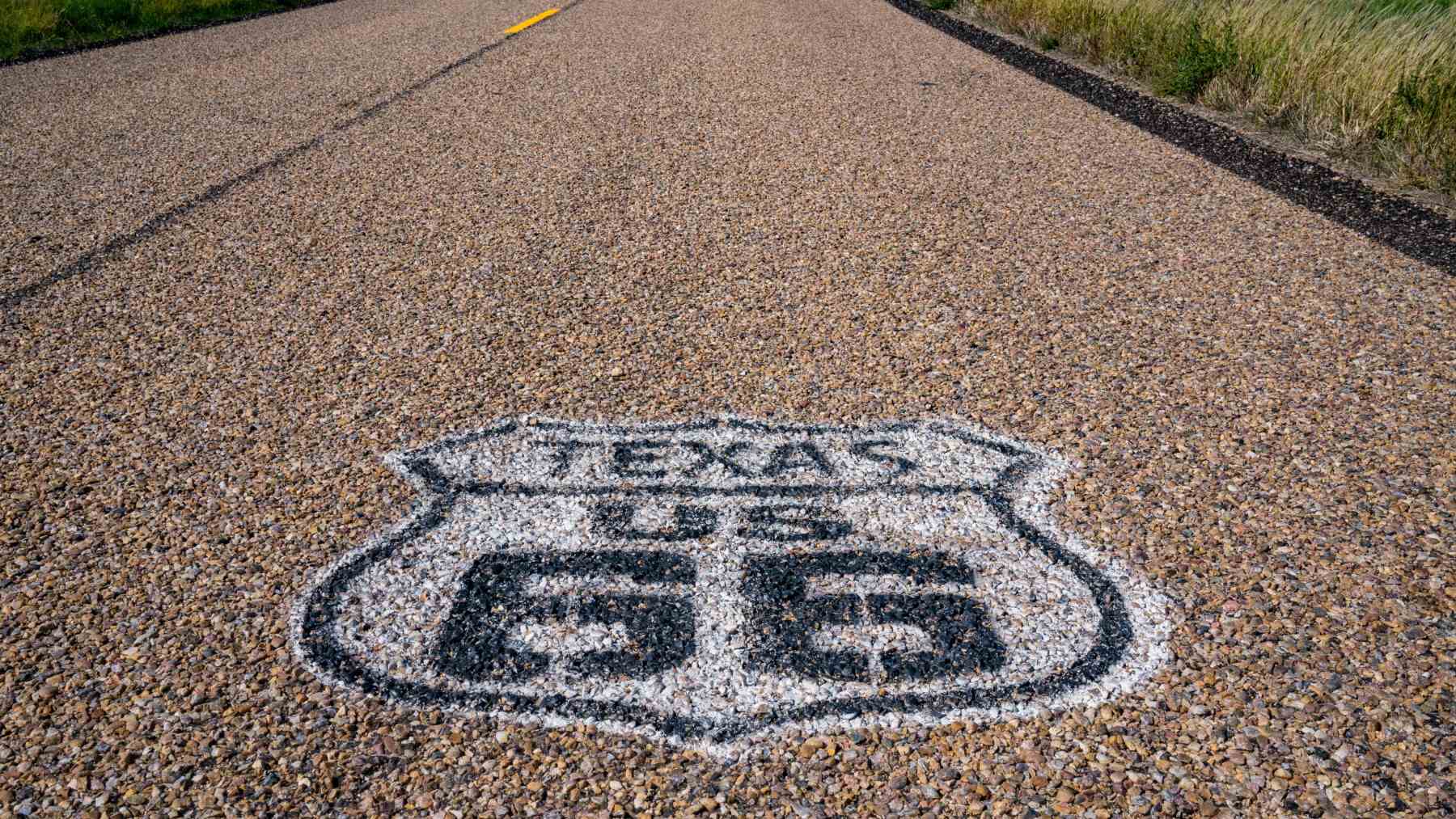
Texas tried to change the traffic signs, but it didn’t go well. As the state is one of the few that allows 85mph in some highway stretches, a drastic change in others could mean that a big portion of the population won’t adapt to the new laws, especially when the previous speed limit in this specific stretch was 25mph. The Senate bill tried to change the speed limit to 20 miles per hour on two-lane roads that aren’t part of the state highway system, but it ultimately didn’t work. Now, locals are waiting for more changes.
States fighting against speeding: New measures are coming
Speeding has always been a problem in America. Thousands of people are victims of reckless speed driving, and most states are implementing measures to hold drivers accountable, such as installing GPS speed limiters, cameras in specific locations, and higher fines – ultimately leading to the suspension of the driver’s license. Now, Texas is also joining in with this movement, and it has tried to implement a safety measure in a couple of communities, but Houston was not part of the mix.
Now, as the bill was not put into effect, locals who were worried that the speed limit in this section of the road would be as slow as 20 miles per hour have to stay ahead with the measures that the state is also implementing in other areas. Meanwhile, this one still raises eyebrows because it was only one step away from becoming a real measure. When reading between the lines, it could drastically change the way Texans lived their daily lives.
Texas tried, but the bill never went into effect
The Texas House Bill 2725 would have changed some rules in the Texas Transportation Code about city speed limits. Now, cities can lower the speed limit to 20 miles per hour instead of 25 on local roads that aren’t part of the state highway system. For residential areas, the process gets easier, as cities don’t need to run complicated traffic studies to make the change.
They also don’t have to put up signs on every block anymore – just at the entrances to the district. Cities still have to publish a yearly report comparing tickets, warnings, and accidents tied to speeding. The goal is to give local governments more flexibility to set speed limits that feel safer for their neighborhoods. The bill would have kicked in on September 1, 2025.
Another measure was approved: Senate Bill 2725
Texas Senate Bill 2725 has already passed and went into effect on September 1, 2025. The new law requires toll road operators to give free or discounted tolls to certain groups, such as paramedics, police officers, and firefighters. To qualify, they’ll need to use an electronic toll tag and have the vehicle registered in their own name.
The bill, introduced by Rep. Sheryl Cole and a group of co-sponsors, is meant to ease the cost for first responders as a small way of recognizing their work. Once the law kicks in, first responders are able to apply for the discount through their local toll authority.
85mph limit sounds too dangerous: States with higher speed limits
Across the country, 18 states let drivers go 75mph or faster, mostly on wide-open rural highways. Arizona, Arkansas, Colorado, Kansas, Louisiana, Maine, Michigan, Nebraska, New Mexico, and North Dakota are on the list. Seven others go even further – Idaho, Montana, Nevada, Oklahoma, South Dakota, Texas, Utah, and Wyoming all allow 80mph. While some states are raising limits, others are trying to lower them, with new proposals hitting 50mph in some areas (and a big wave ban going around the country).