Hydrogen fuel cell technology has received increasing attention from automobile companies worldwide. While electrical engine solutions have been the main contender as an alternative engine solution, hydrogen is growing in popularity and is set to become a major complement to electrical technology. Japanese automobile brand Toyota has been instrumental to this, focusing on diversifying their vehicles with both electrical and hydrogen technology. Recently, they have unveiled a new device which is set to change hydrogen technology.
Toyota pushes hydrogen innovation
While other automobile brands have chosen to focus on investing in electrical energy solutions as their prime alternative engine solution, Toyota has chosen to invest in hydrogen fuel cell technology. Their Mirai model is Toyota’s advanced, zero-emission fuel-cell electric vehicle. The Mirai is currently in the process of being improved by Toyota to reach an additional 30% increase in driving range.
However, some have criticized Toyota’s continued investment in hydrogen fuel cell technology, arguing that it is not as effective or eco-friendly as electric vehicles. Further, some say that the addition of hydrogen technology distracts from pushing towards more widespread adoption of electric vehicles. Despite this, Toyota has continued to push on with their hydrogen technology vehicles.
While electrical engines remain the clear favorite alternative engine solution on the road, with hybrid technology being the most sought after by consumers who are looking to buy more renewable engines, the innovation from Toyota is still a major step forward in terms of automobile companies prioritizing investment into alternative solutions in an effort to move away from the internal combustion engine.
New hydrogen innovation from Toyota
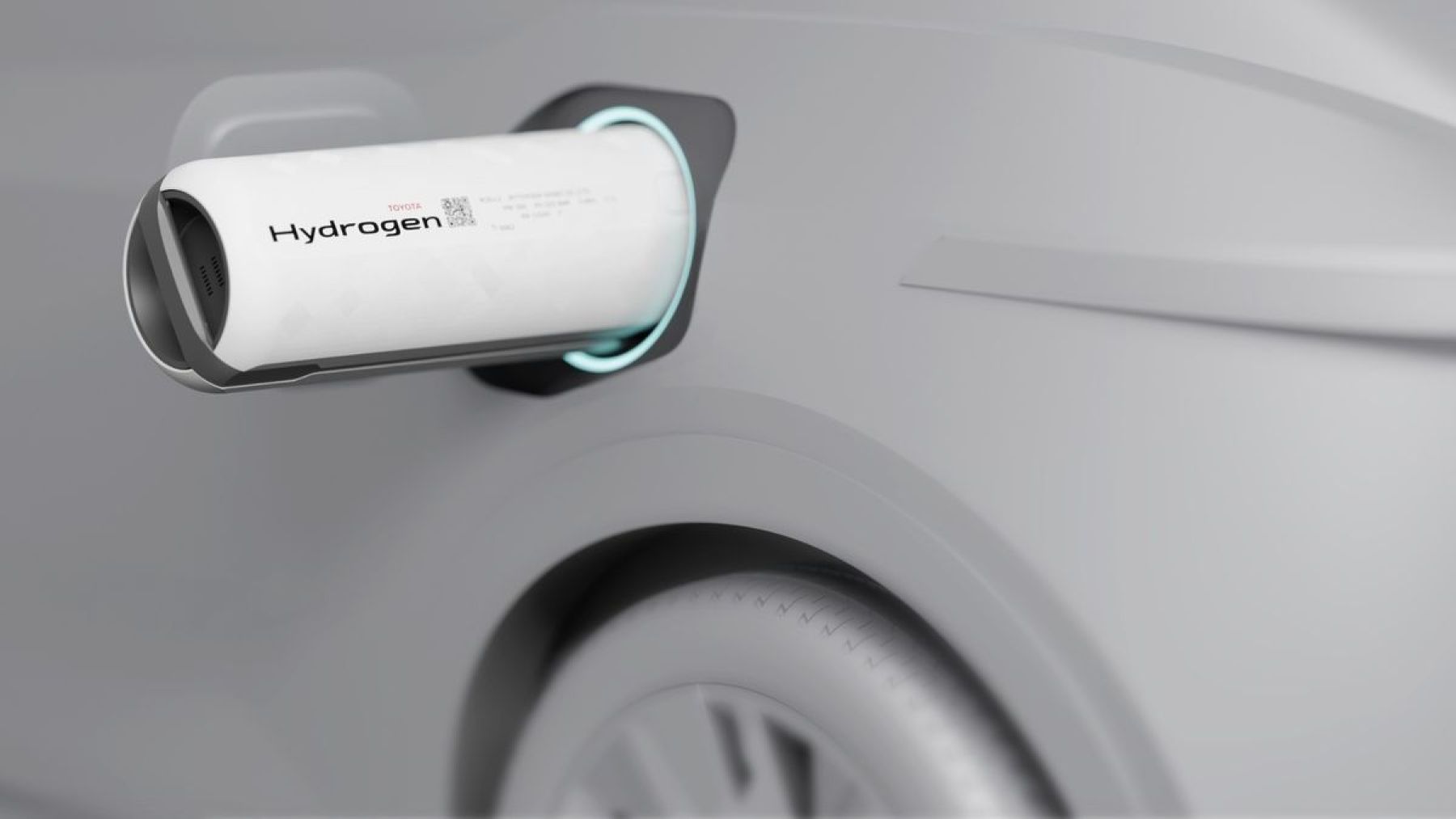
Adding to their hydrogen technology innovations, Toyota unveiled a prototype device last year which could be seen in mass production soon. At the 2024 Japan Mobility Show Bizweek, Toyota exhibited portable hydrogen charging cartridges. The small devices can fit into a bag with ease and can be used to power up specific hydrogen vehicles. Toyota has a broader goal to integrate this technology into all their hydrogen products.
A major challenge not just for hydrogen vehicles but other alternative engine solutions is creating widespread supporting infrastructure for these engines. While electrical engine charging station networks have become more more prevalent across the US in the last decade, the same cannot be said for hydrogen. Considering this limitation, the portable charging devices could be a gamechanger for hydrogen vehicles.
Toyota first announced in 2022 that they were in the process of developing hydrogen charging cartridges in a partnership with Woven Planet, the mobility technology subsidiary of Toyota which creates and manages the software for Toyota’s vehicle operating system, automated driving, and safety. The new prototypes unveiled last year are much smaller and more convenient to transport than the first ones which were unveiled in 2022.
Toyota competes with the aviation industry
While the Japanese automobile company has had some massive wins in terms of their hydrogen technological development, they also face coemption from innovation from the aviation industry. Companies like Universal Hydrogen and Airbus are looking at solutions to create aircrafts which run completely off of hydrogen. Universal Hydrogen recently completed their testing of a 1-megawatt (MW) fuel cell using liquid hydrogen last month.
Hydrogen is a much more realistic alternative fuel source for the aviation industry compared to developing electric engines for planes. For aircrafts to operate, they need to be as light as possible. The batteries which an aircraft would require for a long haul would make the aircraft much too heavy to be able to fly. Hydrogen on the other hand does not pose this problem, and Airbus is already aiming to have their first hydrogen aircraft functioning by 2045.