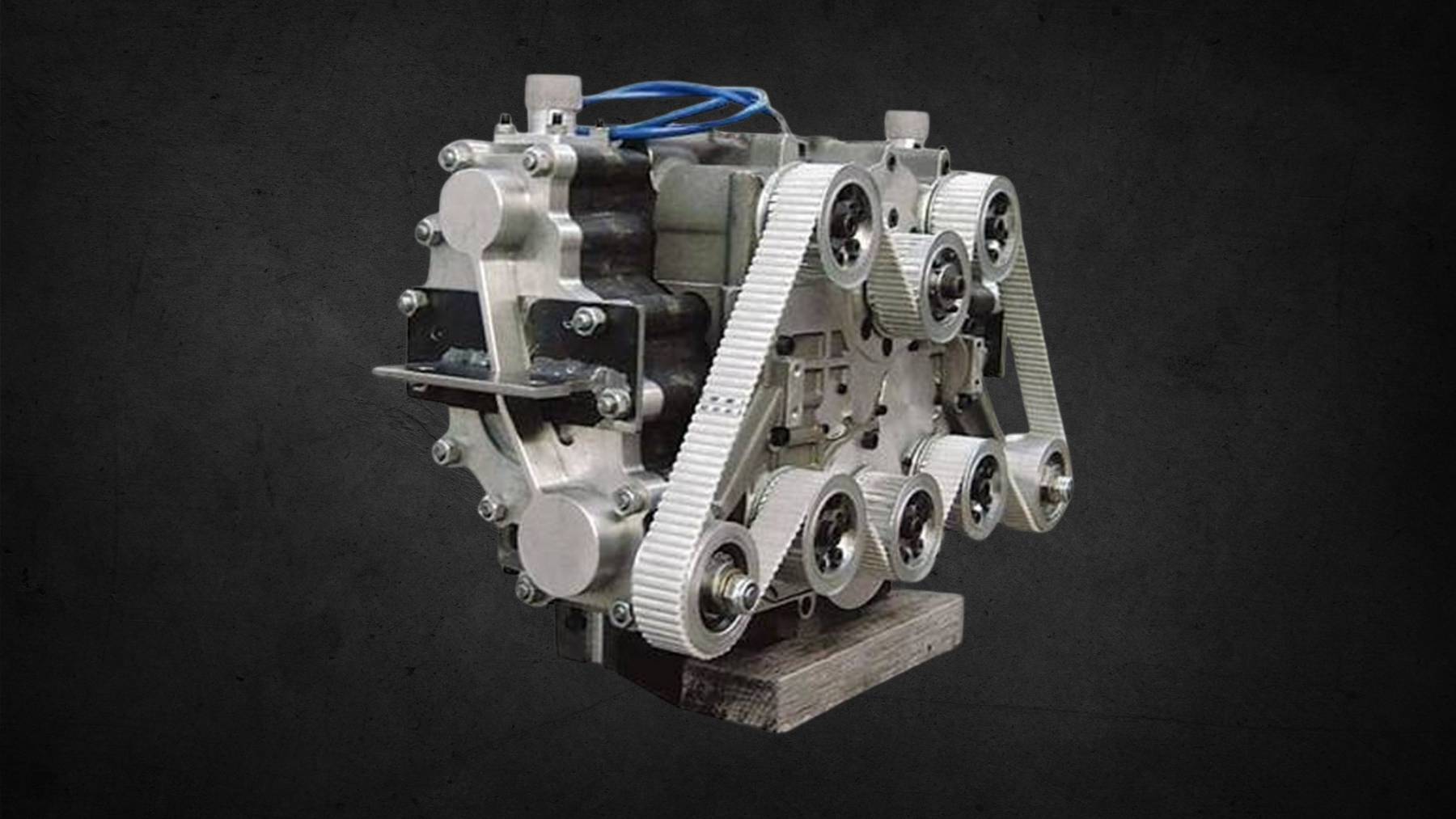
First conceptualized in 2007, Tata Motors announced details of a plan to develop a car which ran purely on air. The car was intended to be created alongside the MDI Group. In the current quest for sustainable transportation solutions amidst the climate crisis, a car which runs on air could not come at a more convenient time. However, the compressed air car never made it into onto market and has become shrouded in ambiguity.
Intentions to uplift low-income families
Not only for its environmental benefits, but the car was intended to be market towards low- and middle- income families in India. Tata Motors was committed to developing a vehicle which would be priced somewhere between “the cheapest car and the most expensive motorbike”. At the time, the proposed car was estimated to cost $2,500.
The additional environmental benefits also made the project sound almost too good to be true. Even in 2007, concerns about the climate were rapidly circulating and the public was slowly starting to become more concerned about the future of our planet. At the time, one of the largest environmental focuses was shrinking the hole in the ozone layer which, thanks to successful cooperation across industry and the globe, is on track for recovery.
Guy Negre committed to an air-powered car since the ’90s
New Delhi engineer and MDI founder Guy Negre had been committed to the project of a car powered by air since 1997. By 2004, Negre was successfully introducing working prototypes of the proposed model. Operating a car with compressed air works by releasing pressurized air from a storage tank, decompresses it, which then pushes a piston, a driveshaft, and, eventually, a wheel. The process creates zero harmful emissions at the tailpipe, and the raw fuel is available anywhere humans draw breath.
The idea that a car could be both environmentally friendly and affordable is a challenge that current green developments in the automobile industry have yet to reconcile. While there exists advanced green technology on the road, most alternative fuel engines are still priced within the luxury car range. Even hybrid vehicles are much more expensive than the traditional combustion engine making it difficult to convince consumers to make the switch.
Plans never seemed to progress
While there were numerous operational concerns about how a compressed-air operated vehicle would operate, the execution of the vehicle became increasingly difficult. By 2010, due to operational costs, the proposed price had increased three times as well as recalls of the first generation vehicle having to be made. Additional research also began to circulate at the same time which outlined that the viability of compressed-air cars was just not viable.
Today, the original press release has been removed from Tata Motors records and there appears to be no sign of any development in returning to the idea. As the automobile industry begins to expand their green-fuel alternative initiatives, perhaps the compressed-air car may make a surprising comeback. The most pressing matter in the search for an environmentally friendly car is to ensure that the vehicle is affordable so that these cars become widespread on the road.
While electrical vehicles and plug-in hybrids continue to be the most advanced and prominent alternative-fuel vehicle on the road, there has also been increased progress regarding hydrogen powered vehicles and biofuels. In addition, there is also work being done on solar powered vehicles. Challenging the hold the internal combustion engine has on the automobile industry is certainly not going to be easy, however times is of the essence.
It is essential that the world switches to more sustainable fuels across all sectors. The world has less than a decade to meet its climate goals and sustainable transportation needs to form a large part of that.