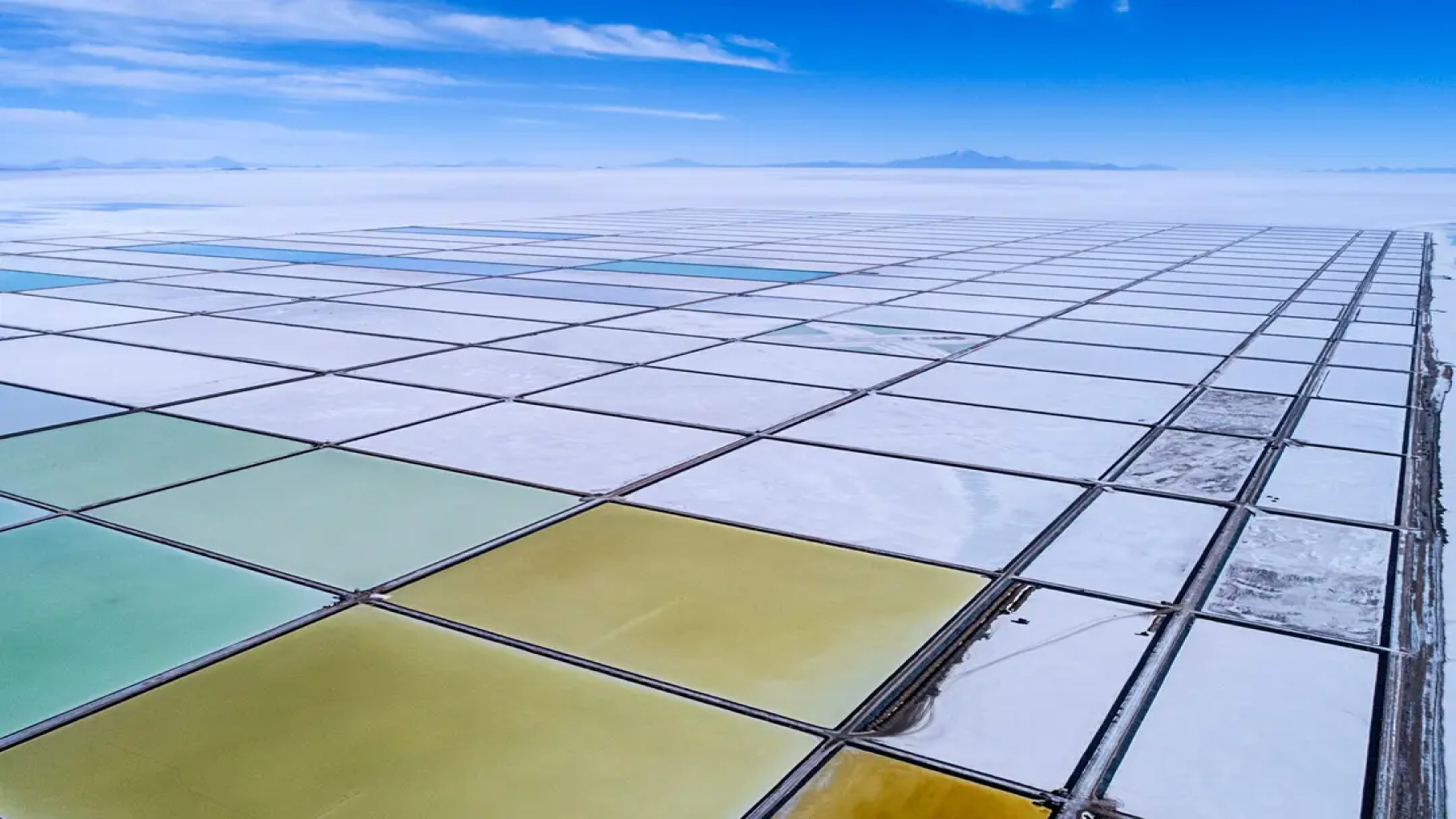
The enormous salt flats in Bolivia contain the largest reserves of lithium on earth for the manufacture of batteries fitted in electric vehicles. With increasing demand worldwide, there is a scramble by US, China, and Russia to access this so-called “white gold.” However, Bolivia aims to maintain sovereignty through strategy pathways towards balanced development.
Lithium triangle titans: Bolivia’s stand in the world market of electric car batteries
As part of a broader lithium triangle that includes Argentina and Chile, the Uyuni Salt Flats in Bolivia are estimated to contain around 23 million tons of lithium. Batteries with exceptional output rely on lithium carbonate and are well recognized within the automotive electric industry.
Such a zone has been significant for such kinds of purposes. Over the past decade, the prices have shown massive fluctuations. From an all-time high above $80 thousand per ton in 2022, it crashed to about $23,000 in 2023 due to reduced electric vehicle sales in China.
Lithium reserves within Bolivia fall under the purview of national security for the US. At a conference held in 2023, Laura Richardson from SouthCom emphasized the importance of securing lithium production in the area with reference to the seeming competition involved between China and Russia.
However, Bolivia rejected the overture of the US in that respect to rather partner the countries respecting Bolivian sovereignty. It was in that regard that strategic alliances with China and Russia often equated to great investments in lithium production in Bolivia, in addition to strengthening its government into its position.
Bolivia’s strategy for sovereign lithium attention now
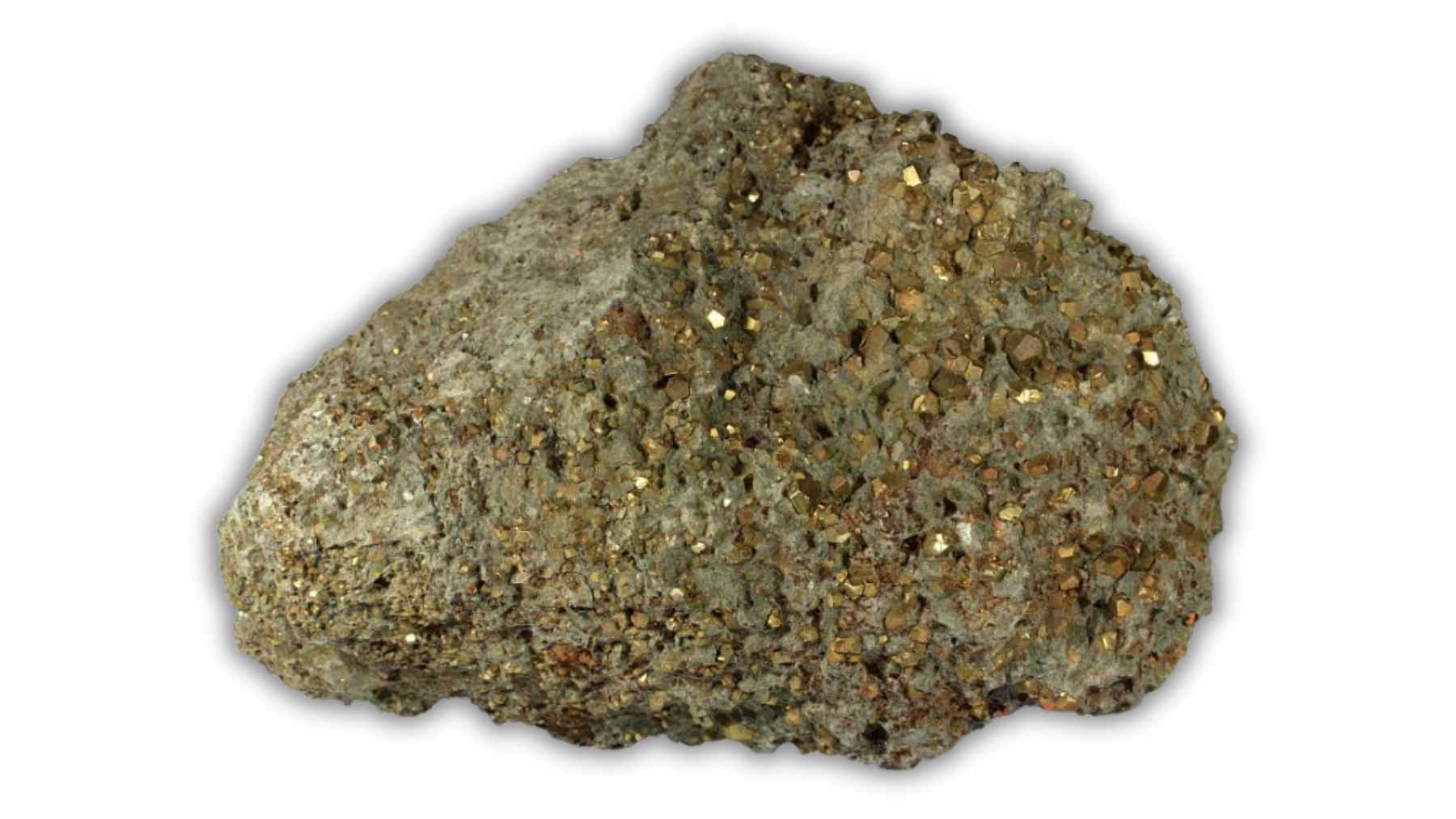
Bolivia is all set to conduct lithium production (just like this one which is 40 million metrics tons underground) based on its national sovereignty. Indeed, the establishment of the state-owned company Yacimientos de Litio Bolivianos and Law 928 guarantees state involvement in all production areas.
It has not gone back on environmental technologies, for example, Direct Lithium Extraction where the Government minimizes any environmental damage. Bolivia, in 2023, entered into agreements with Chinese and Russian companies to step further in the lithium sector.
The agreements are part of setting up lithium carbonate production plants at Uyuni and Coipasa, each with a capacity of 25,000 tons per year. Russia’s Uranium One Group has put in pilot projects focusing on sustainability. Bolivia’s attitude, however, remains cautious because it expects investors to abide by its regulations and to allow YLB to take charge of the strategic direction.
Argentina and Chile present opposite strategies for lithium revealing
Argentina and Chile, both neighbors to Bolivia, have very different perspectives on how to manage lithium resources. While Chilean nationalization struggles against various political obstacles, private concessions continue to dominate the production of lithium.
In Argentina, provinces control mineral resources, creating difficulties for a fully state-owned company in the lithium sector, as strong opposition has emerged from the business sector towards nationalization. Peru has also been accounted in discussions about nationalization even with ranking Lithium-the 13th in the world.
But the stalled progress could be attributed to the political instability in the country. By nationalizing lithium production and setting up YLB later in 2008 and creating YLB in 2017, Bolivia has been geared toward channeling revenues to infrastructure, health, and education, thus trying to solve several structural problems.
Bolivian economist Martin Moreira argues for the preservation of sovereignty as well as the possibility of creating long-term economic growth. Such a huge lithium reserve can be an advantage as well as a disadvantage for Bolivia (just like this “new oil” which is enough for millennia).
As such, having a country with an attitude of sovereignty in attracting foreign investments qualifies it as important in being the main player in the world transition to electric vehicles. Moreover, Bolivia’s joining such a model of sustainable state-led approach may serve as a guide to other resource-rich countries caught in similar complexities of global demand, as geopolitical rivalry deepens.