The challenge for sustainable energy has brought forth two cutting-edge innovations: green hydrogen production and diamond batteries. These two developments change the way we see energy in the world-they represent solutions to core fighting points about emission reduction, renewable source use, and energy-storage capability. Let’s look at these exciting new developments and how they could change energy systems into a greener future.
Shades of hydrogen: Dirty green hydrogen and the race for clean energy
Hydrogen fuels are produced in different methods, and due to that diversity, they have been termed “colors.” Among those colors, green hydrogen stands as a type of climate-neutral hydrogen generated from renewable energy sources.
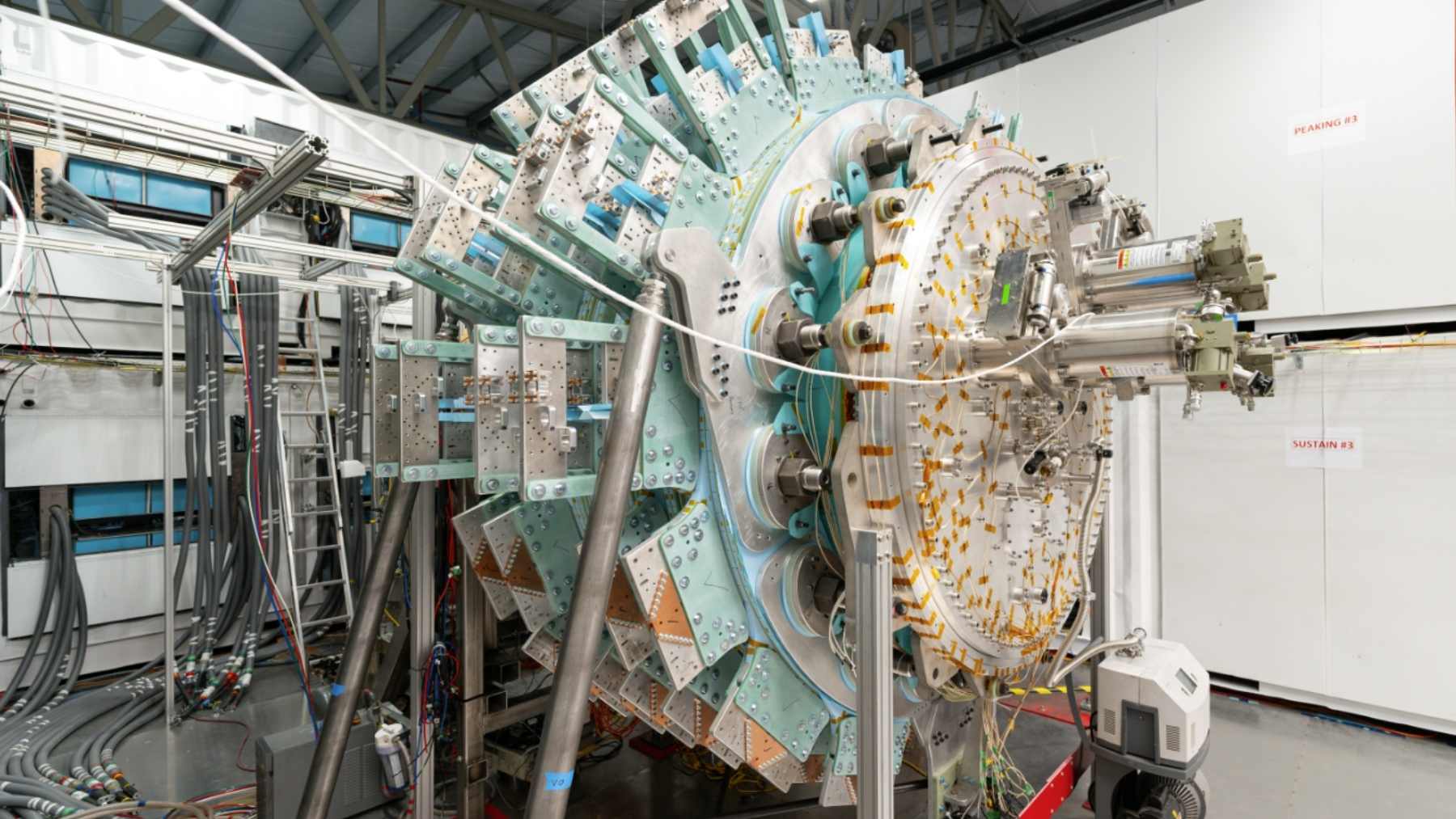
However, green hydrogen currently occupies only 0.1% of total global production because of its costs and energy demands. Enter scientists at Shinshu University in Matsumoto, Japan, who are working on a promising solution. A proof-of-concept reactor developed at Shinshu University uses photocatalytic sheets to split water molecules into hydrogen and oxygen using sunlight.
This two-step excitation process, which assigns specific photocatalysts to evolve each element, significantly improves efficiency compared to earlier methods. As senior researcher Kazunari Domen explains, sunlight-driven water splitting is among the best technologies to convert solar power into a storable chemical energy.
Interestingly, the reactor performed better under the sun than under laboratory conditions, proving its real-life applicability. Improvement in conversion efficiency, a failure-proof material to endure operational life, and safe management of explosive oxyhydrogen are only some of the challenges this technology faces. However, the cost-effective production of green hydrogen makes it likely that it will be adopted in an increasing number of applications, thus bringing Japan’s vision of a “hydrogen society” closer to reality.
Diamond power: A cell that might last for millennia
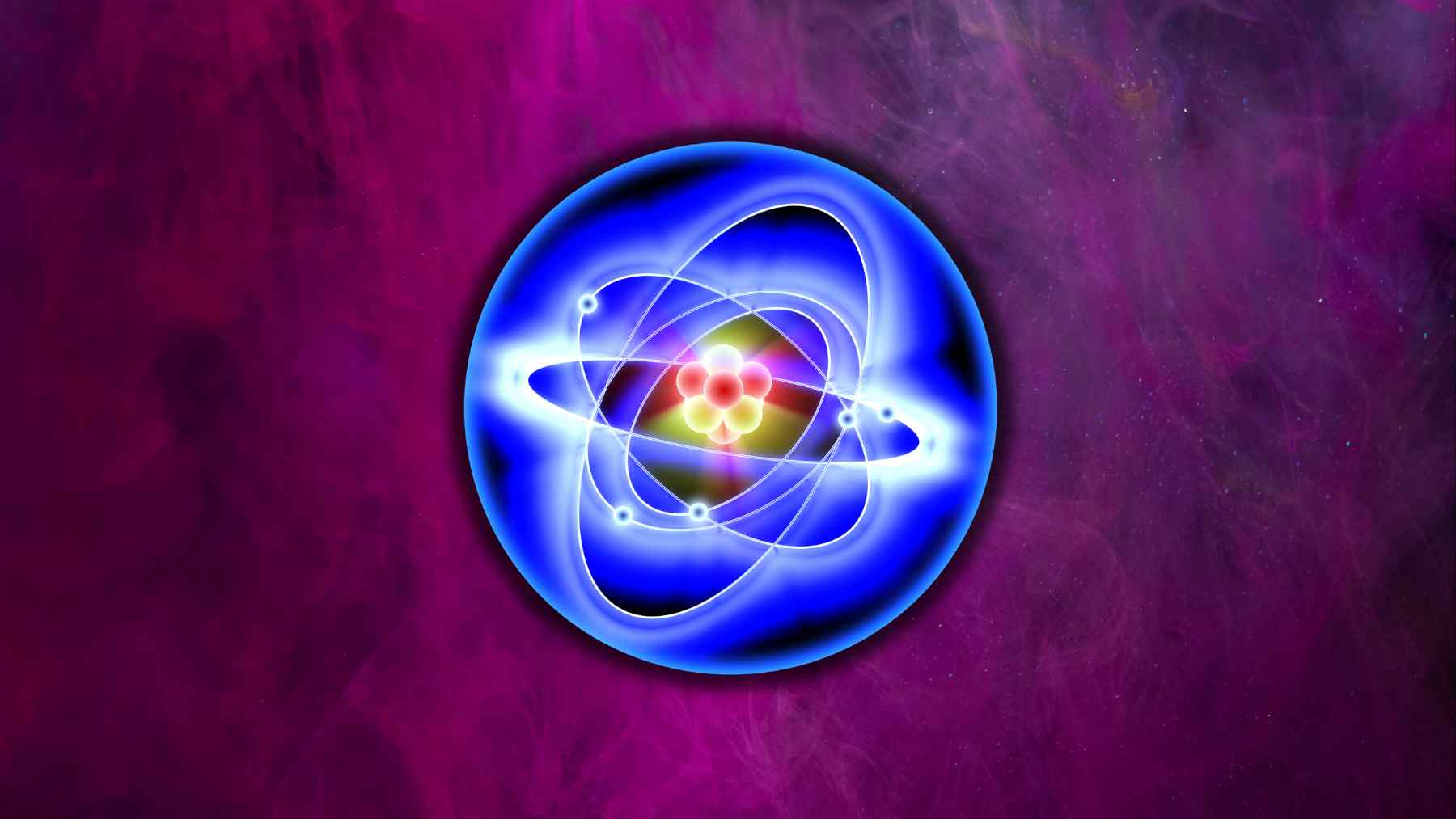
Although green hydrogen aims to tackle huge energy demands (just like this one which is taking the world by storm for its role in energy transition), the diamond battery may provide power for devices requiring much longer-lasting energy. Developed in an innovation partnership between UK Atomic Energy Authority (UKAEA) and University of Bristol, this battery uses carbon-14-a radioactive isotope of carbon with a long half-life of 5,700 years.
The innovation design guarantees safety and durability as it keeps the carbon-14 within a diamond, the hardest known material. Like a solar panel, the diamond battery harvests fast-moving electrons in its structure in the form of electricity.
Ideal for pacemakers and hearing aids, this is likely to be less tangled in replacement, and could function in extreme environments, from space to deep-sea sensors. Noted by Professor Tom Scott at the University of Bristol, it is a driving force for micropower technology to diverse applications in security, medicine, and aerospace.
The diamond battery, in addition to utilities, addresses another problem in nuclear waste: Carbon-14-from graphite blocks in nuclear reactors-is extractable and could be repurposed for safe disposal with greatly decreased radioactivity and storage costs. The diamond battery is a remarkable breakthrough because it revolves almost permanently around a power source and at the same time provides the kind of sustainable nuclear waste disposal.
A debate between green hydrogen and diamond batteries: Two sustainable futures
Green hydrogen and diamond batteries both represent a stride towards taking the concept of sustainable energy into the future. Whereas green hydrogen tends to global applications-most people in the long run-certainly energy independence from fossil fuel-it focuses on specific importance applications for which longevity and reliability are required. Some obstacles are going to be faced down-the integration of material durability and production efficiency-with the strengths of both these technologies.
While researchers have developed these innovations to date, the dream for all humans approaches of a cleaner and more sustainable energy landscape. These advancements are viewed as offering future glimpses of energy not only abundant but also environmentally responsible through power from the sun and recycling nuclear waste (like this one which brings about free energy). The road is still steep, but with every breakthrough, the human community marches toward an energy revolution.