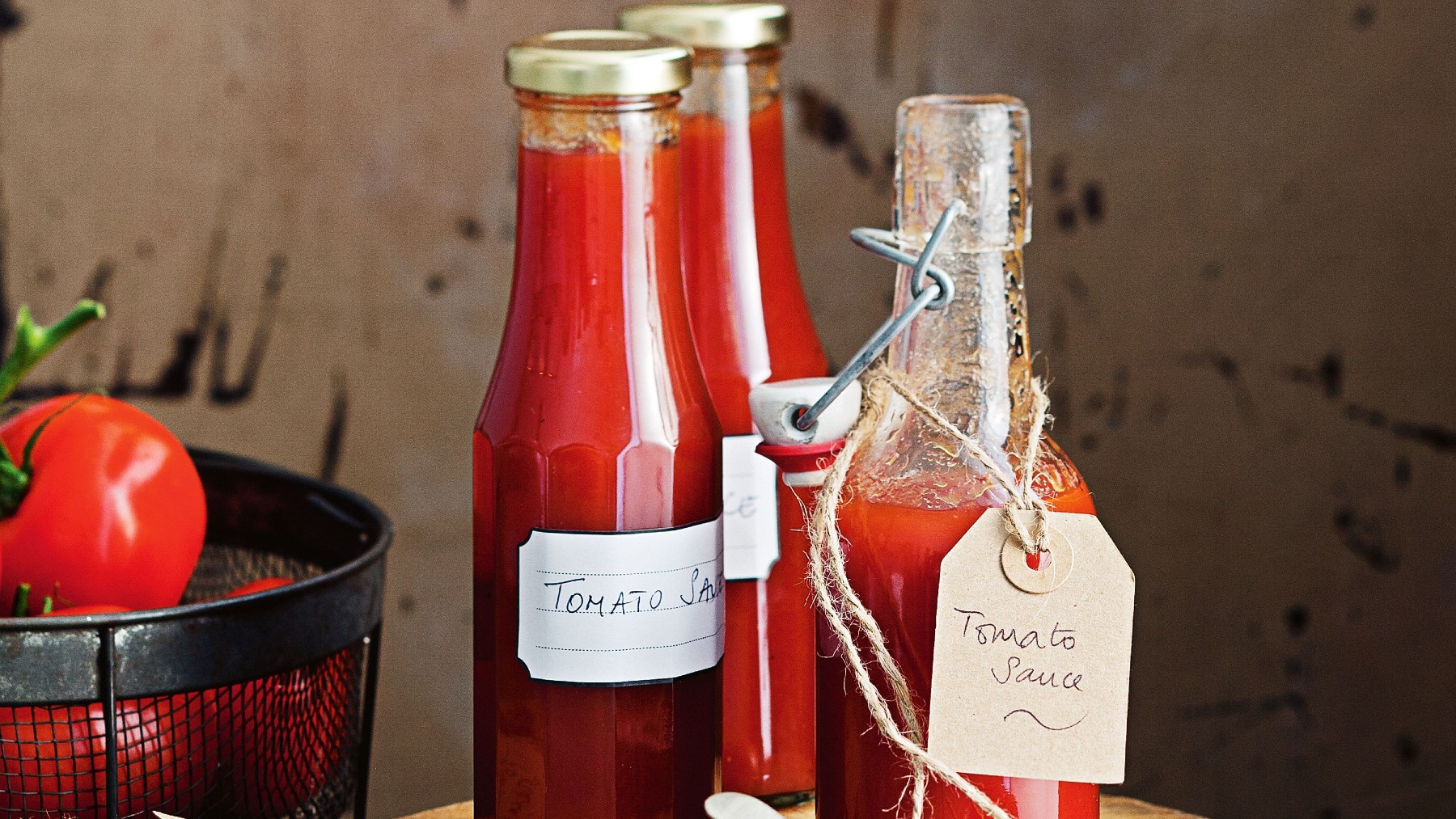
New events in the food safety front have elicited concern across some states as the FDA releases a new recall on tomato sauce. Tomato Basil Sauce from Hudson Harvest Wholesale of Germantown, New York, has been recalled for likely failure to be processed adequately, potentially spoiling and allowing pathogenic development. Products sold in New York, Massachusetts, and Connecticut in May and June 2024 are in question in this recall, and the authorities in question classify it and guide the people on what actions to take.
Such events prove that it is still difficult to guarantee the constant safeguarding of food safety and underlines the need to act whenever there is a probable threat. Residents of the affected areas are therefore advised to be alert and search for the recalled products in their food storage to avoid compromising their health.
Product recall details: Everything you need to know to stay safe
This recall is limited to a product, the Hudson Harvest Tomato Basil Sauce, that comes in 16 oz Jars, with 683720301567 as the Universal Product Code and 1042426 as the batch number. This recall concerns 243 jars of the product; the recall was started on June 17, 2024. Some of the concerns highlighted include jar swelling or leakage and bursting; this suggests that the jars may have been underprocessed and could support the growth of spoilage organisms or pathogens.
They are advised to search their kitchens and kitchens for the product and discard it, whether it looks unfit for consumption or not. The recall involves food batches distributed in New York, Massachusetts, and Connecticut in May and June 2024. The UPC can be seen printed on the upper side of the bar code of the jar, while the lot number can be seen on the side part, so it would be more hassle-free for the consumers to determine which products are involved.
Understanding FDA classifications: How they impact your health and safety
The FDA has ranked this recall in the Class II category. In this situation, probable harm can result in temporary or medically treatable consequences or, where the risks are low, severe consequences. As noted in the classification, it guides the consumers in evaluating the risks of the recalled product.
In their response, the FDA noted that decay can originate from a number of microorganisms, as well as some that could be pathogenic and result in detrimental effects on health. It includes Clostridium perfringens and Bacillus cereus, which have the potential for rapid growth in unfavorable storage temperatures and produce lethal toxins.
Consumer actions and company measures: What steps to take for refunds and safety
Hudson Harvest has instructed its customers who have consumed Tomato Basil Sauce to return the packaging to the supermarket for a refund. It also includes samples and a toll-free number for those who want more information and the toll-free number can be called from Monday to Friday from 9 AM to 5 PM EST.
Along with these catastrophes control, the FDA also draws much attention to the right temperature that is necessary for food storage to spoil; cold food has to be stored at 40 degrees Fahrenheit (4. 4 degrees Celsius) or below, and hot foods should be stored at 140 degrees Fahrenheit (60 degrees Celsius) or above to avoid putting food in the “Danger Zone” where bacteria can double within 20-20 minutes.
This recall provides a positive note that food spoilage cannot be taken as a mere quality problem but a health hazard, too. Consequently, the current tomato sauce recall indicates that the issue of food safety is not something that had dominated the country in the past but is still current.
As the company recalls 243 jars of Hudson Harvest Tomato Basil Sauce in three states, consumers must be cautious and avoid consuming products from the company in case they are contaminated or spoiled. That the FDA has classified Prometrium as a Class II drug can also offer some consolation in as much as it suggests that the possible adverse effects are usually of low severity or are likely to last for just a short while.
However, it is a wake-up call to society and the need to emphasize the proper processing of foods and each individual’s responsibility towards choosing foods manufactured with high standards of food processing. Families today have to remain informed to avoid the devastating consequences of food-borne diseases by following the guidelines provided by health departments as more information is revealed while investigating such outbreaks.