Japan has been leading the world in innovation for three years, with a “golden age” that Toyota represents to perfection. Do you know what their latest invention is? It is not an engine, nor a battery, nor a futuristic car (of which we have seen several), but something even more incredible: this is the first hydrogen oven that you can have at home to cook without using electricity. Does it remind you of the one that used photovoltaic energy? Well, this one is even more difficult to believe, you’ll see when you learn how it works.
Toyota is not only making engines: It’s also making pizza… using hydrogen
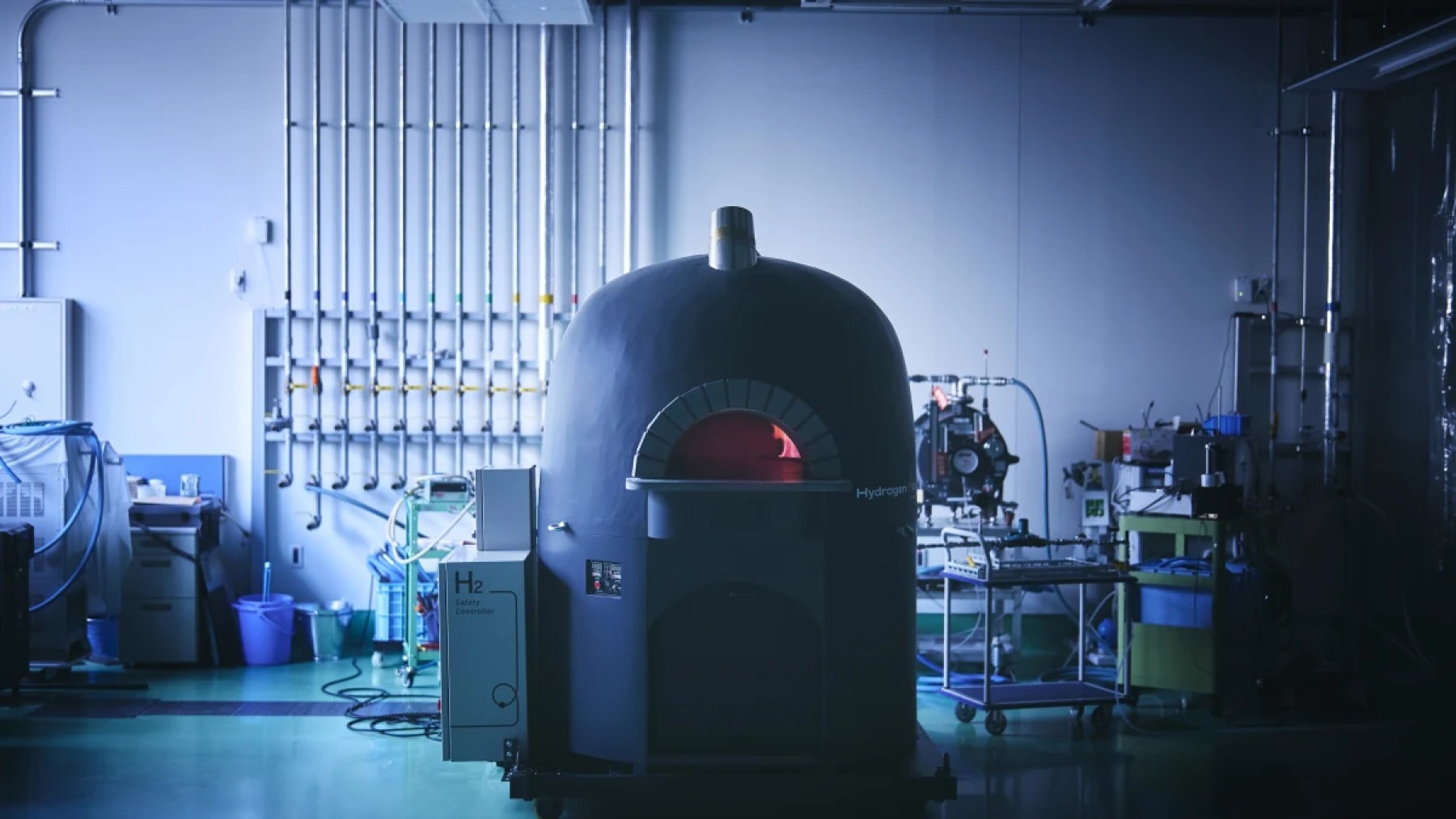
Mainly because Toyota, a brand with a unique philosophy and a continuous dedication to the development of sustainable car technologies, debuted an experimental, intentionally twee hydrogen-powered pizza oven, which exemplifies the creative ways clean energy sources will work their method into the culinary sphere.
The innovative idea that originated from the collaboration of Toyota’s automobile knowledge and references to mouth-watering food alternatives to pizza, adored by fans and pizza chefs, is also very environmentally friendly. The workings of the hydrogen-powered pizza oven are rather basic and effective.
As for the oven, the clean-burning fuel, that is, hydrogen, is used to heat up the stone floor that bakes the pizza. With the use of hydrogen, Toyota introduces a world where cooking is done without the use of conventional natural gas or electrical power. The oven has a separate and small hydrogen storage tank and an fuel cell unit that derives power from hydrogen.
This electricity then heats a heating component that heats the stone that is at the base of the oven for proper distribution of heat for the purpose of baking pizza. The process that Toyota undertook to create the hydrogen-powered experimental pizza oven involved research, and we have analyzed its conclusions.
The “secret plan” from Toyota was making pizza: The hydrogen oven you can have at home
It can be noted that the company’s engineers and designers have been collaborating with pizza chefs to identify the specific utilization of pizza making and to guarantee that the baking performance of the oven would suit the whole pizza chef’s requirements. The development process was also to experiment with the hydrogen storage and fuel cells to come up with the best configuration for the oven.
Toyota has never presented specific ratings of its experimental hydrogen car, the pizza baking vehicle included, because the project is currently at the prototype level. Yet it is also said that it is possible to attain a temperature of up to 900°F (480°C), this is similar to cooking in conventional pizza ovens.
It is quite portable, hence suitable to be used in food trucks, events and small restaurants that may not afford the normal gas or electric ovens. Also, due to its emission-free operation and a low level of noise, the oven can be considered as environmentally friendly and quiet as a typical oven.
It’s not about the current hydrogen oven: What can you do with this new invention?
Another excellent feature of Toyota’s hydrogen-powered pizza oven is that it also paves the way for newer creations in the clean cooking technology system. As more firms and people become acquainted with the effects that conventional methods of cooking have on the environment, the market for green options should expand further.
Toyota’s experimental oven also raises preoccupations over the place of the hydrogen technology in the culinary field. Is the use of hydrogen-powered ovens the next decade’s reality in the kitchens of professional restaurants? Is the future of home cooking with hydrogen cooking devices around the corner?
This is, without a doubt (we have investigated), the first hydrogen oven in history that will be commercialized on a large scale. According to Toyota, it’s all about “making pizzas”, but for us, it represents much more. It is a giant step forward in innovation and ecological transition, bringing this water-based fuel into homes where the only clean energy available is photovoltaic (and wind, in some cases). Remember what we always say? It’s all about diversification.