Sustainable mobility, for us, is like a hurricane whose eye is passing through Japan right now. Brands like Hyundai and Toyota have dazzled the world with the hydrogen engine, which was an experiment for decades until it became a prototype and then commercialized models. However, a tough competitor has just emerged, with a legendary carmaker coming to take the roads by storm with a very different proposal. Did you think we were going to talk about an electric engine? Not even that, but something even better.
Toyota and Hyundai had taken the lead: Their hydrogen engine is now in jeopardy
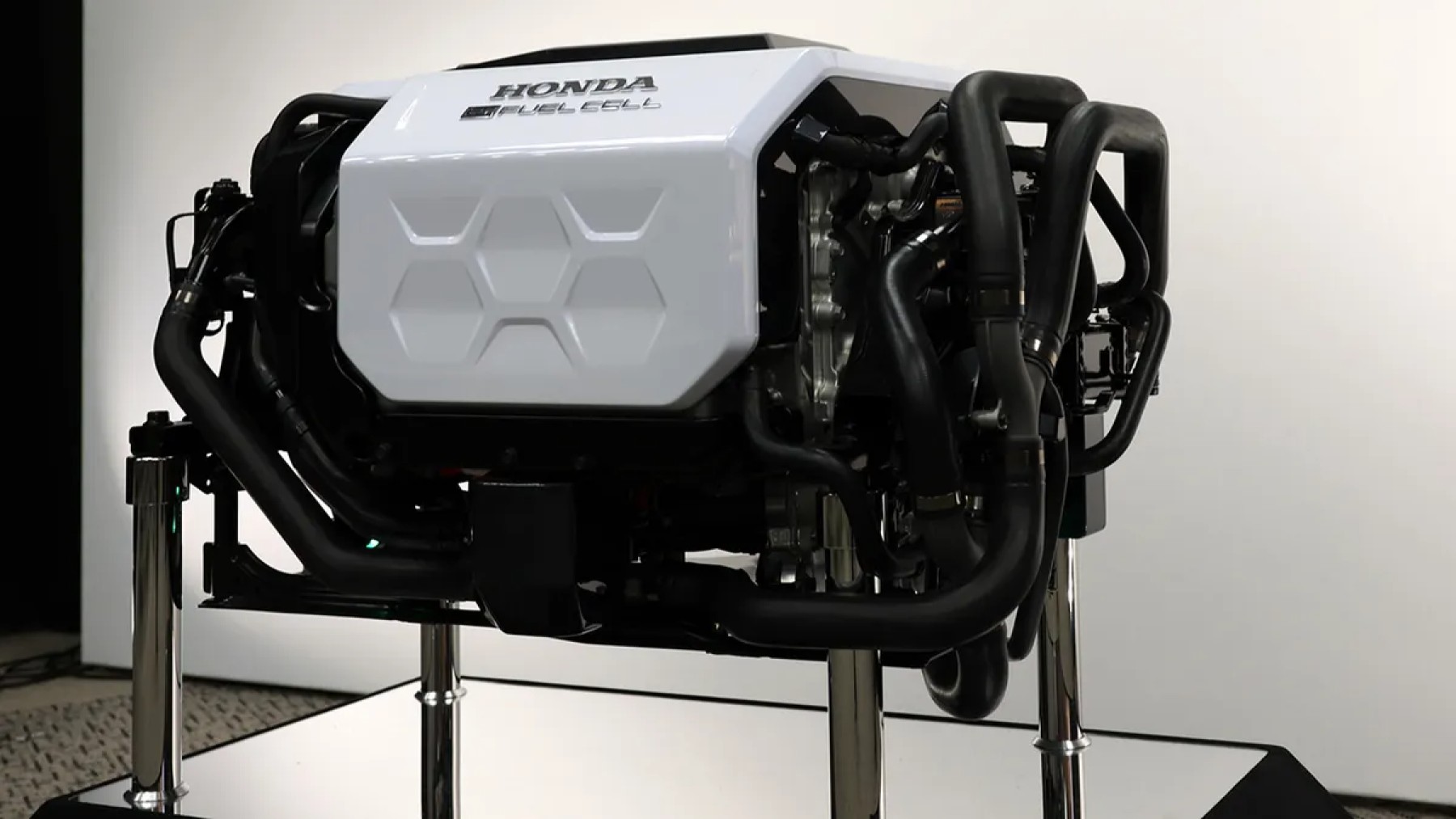
Honda, the Japanese automaker, has recently launched its new model of hydrogen fuel cell technology, which shows the firm’s continued focus on offering a range of vehicles that does not produce any emissions at all. The new hydrogen engine, featured in the 2025 Honda CR-V e:FCEV stands for Fuel Cell Electric Vehicle.
This prototype is much more innovative technology in comparison to fuel cell technology, and Honda has been investing in hydrogen as the other kind of option for battery electric vehicles. The 2025 Honda CR-V e:Available is an option on America’s first production plug-in hydrogen fuel cell electric vehicle, or FCEV.
Moreover, this crossover has an all-new fuel cell system made in the U.S., along with plug-in charging. This innovative approach is a hybrid of both hydrogen fuel cells and battery electric vehicle operation to give flexibility in addition to increased range. The CR-V e:FCEV has its own specifications for a power system with the extraordinary feature of dual power.
- Hydrogen Fuel Cell: This is the main power of a fighter aircraft, and should be able to give the aircraft long range.
- Plug-in Battery: Presents up to 29 miles of electric-only range for city driving.
The Honda hydrogen engine has just been introduced, but it has already changed everything
Honda’s new fuel cell system, co-developed with General Motors, boasts significant improvements over its predecessor:
- Increased by 2X in terms of durability as compared to the last generation.
- Cutting the costs by two-thirds and therefore reducing the cost of making the technologies available.
- Improved performance and efficiency.
Honda’s new hydrogen engine demonstrates impressive performance metrics:
- Freeway driving range per one full of hydrogen is 270 miles, according to the EPA rating.
- Eligible for single-occupant California HOV lane usage to cut on the many hours one spends stuck in traffic.
- While specific power output figures haven’t been disclosed, it is forecast that comparable performance to gasoline and hybrid car levels will be achieved with FCEV’s fleets, with the advantage of being emissions-free.
As part of its “Triple Action to Zero” approach, Honda aims to achieve:
- Carbon neutrality by 2050, and carbon neutrality for every product and the company’s operations.
- 100 % zero-emission automobile sales by 2040, which can be either battery-electric or fuel cell electric.
This new prototype is one more step towards the mobility of the future, which, surprisingly or not, is still centered in Japan (hence our initial metaphor with the hurricane). If Toyota and Hyundai wanted to take over the global market, the Honda hydrogen engine would make it a bit more difficult for them. However, not everything will be tough competition; we have already seen that the Japanese automotive industry has bridges between rivals to overtake countries such as China, Germany or, as bad as it is for us, America.