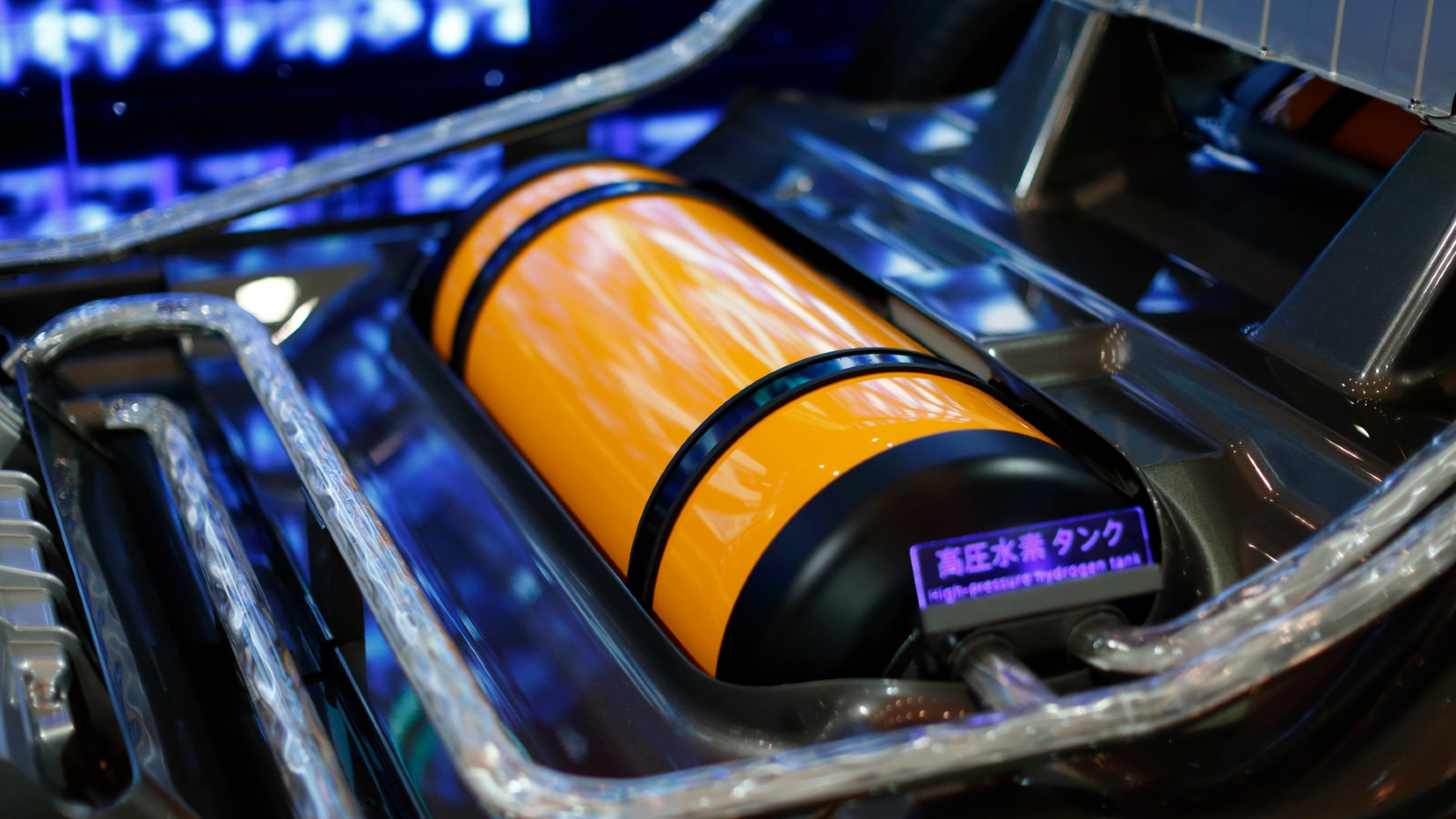
Toyota has long been at the forefront of automotive innovation, particularly when it comes to engine development. The company has continuously pushed the boundaries of what’s possible in engine technology, from pioneering hybrid powertrains with the Prius to exploring alternative fuels for a more sustainable future. Recently, Toyota has submitted a patent for a futuristic water-cooled hydrogen engine which continues to highlight their commitment to advancing sustainable solution.
Toyota: Continuing to push boundaries
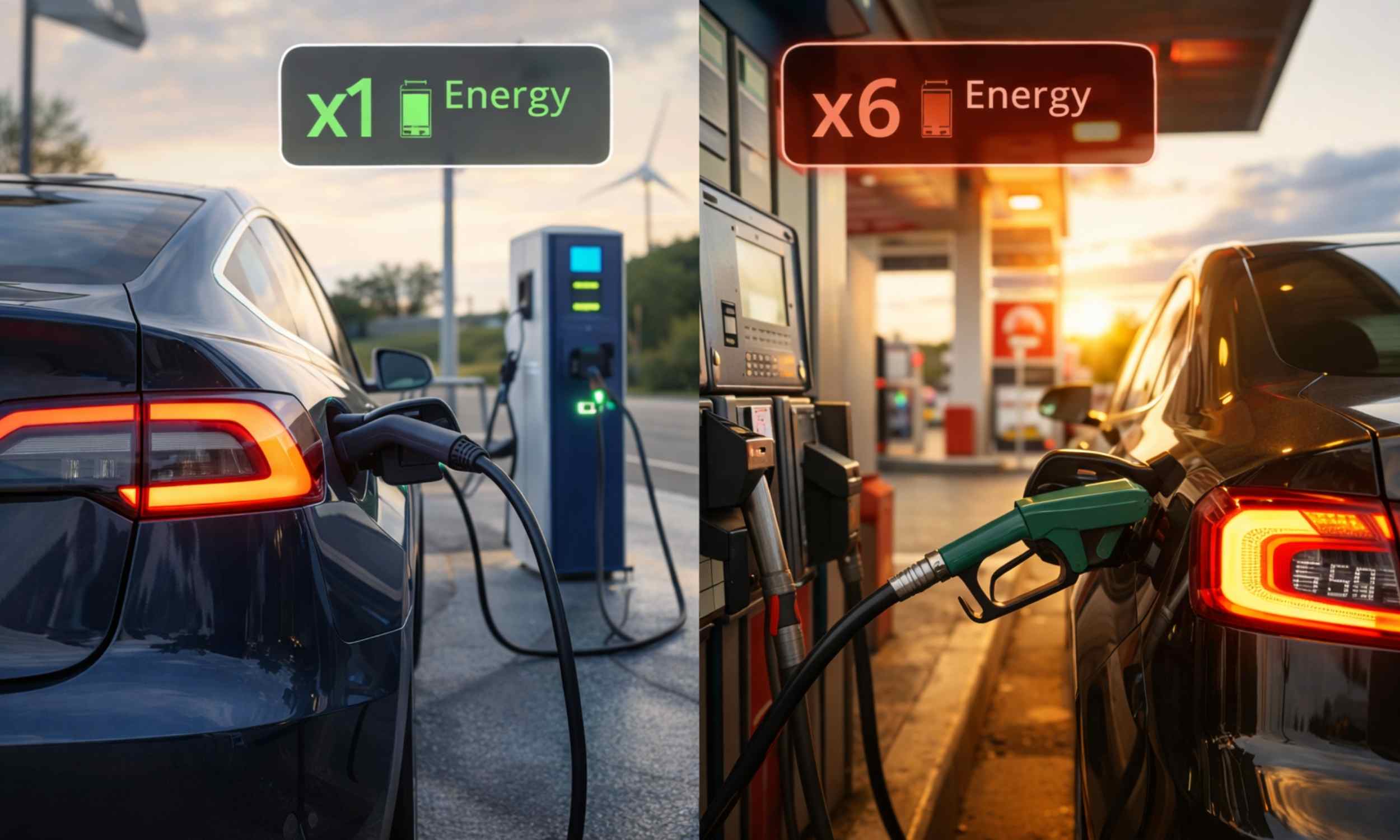
Toyota has invested heavily in hydrogen fuel cell technology, with the Toyota Mirai being one of the most prominent hydrogen-powered vehicles on the market. While other automobile companies are still focusing on electrical energy solutions, Toyota has highlighted the need to diversify the electric and hybrid fleet in order to push consumers to purchase more sustainable options.
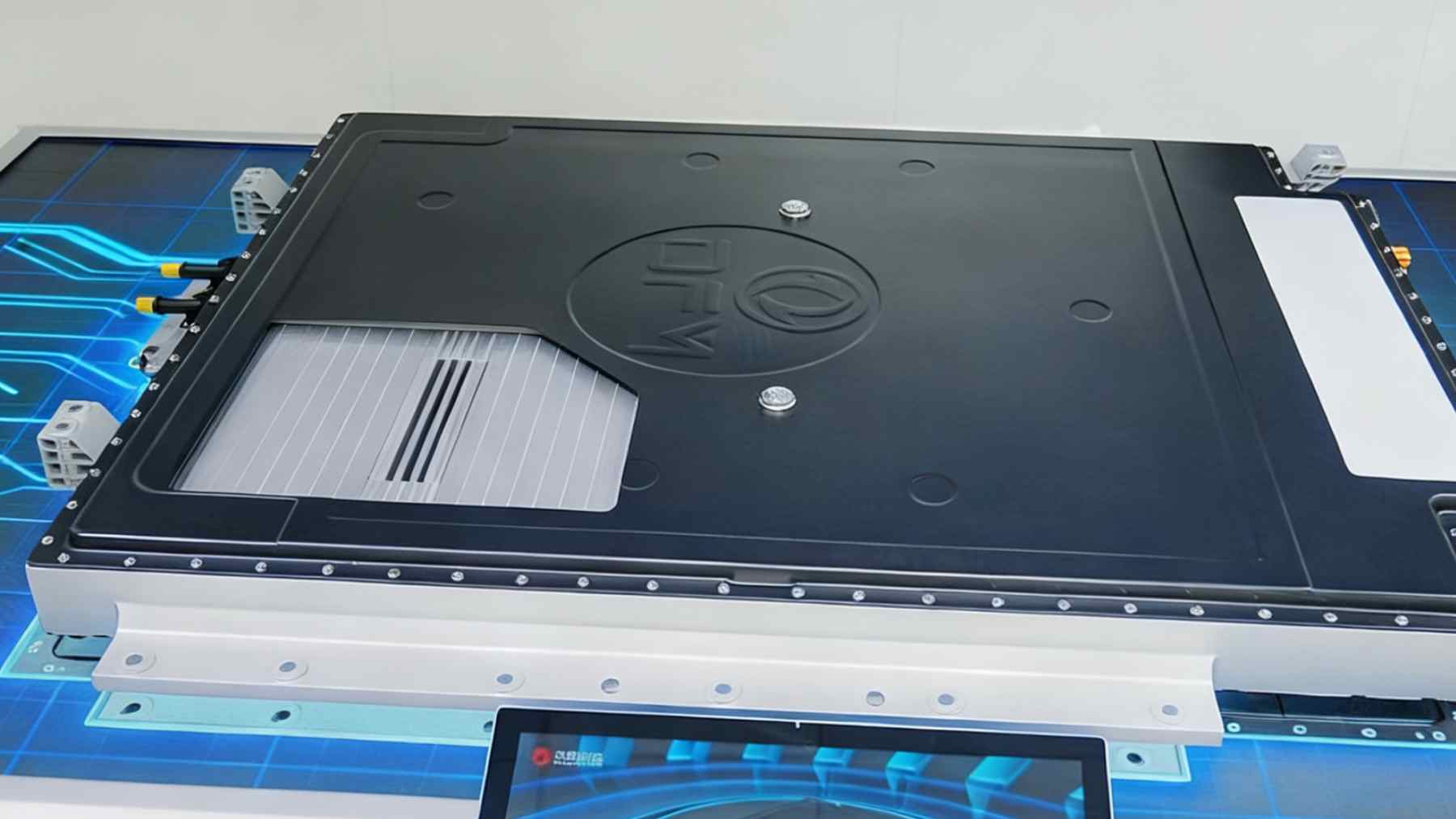
The company is continuing to advance their fully electric vehicles, including models like the bZ4X, as part of its push toward a carbon-neutral future. Furthermore, Toyota is exploring biofuels, synthetic fuels, and solid-state battery technology which are all aimed at providing cleaner and more sustainable alternatives to fossil fuels to ensure a wide variety within the future of green-transportation.
Toyota’s solution to the hydrogen problem
Toyota’s new patent technology aims to address of the biggest drawbacks of hydrogen engines: heat. Hydrogen burns at significantly higher temperatures than gasoline, reaching up to 2,500°C. While this intense heat can improve energy conversion efficiency, it can also damage engine components, affecting power output, durability, and emissions.
Toyota’s patent-pending water-cooled hydrogen engine addresses this issue by introducing a controlled water injection system. Water is strategically injected into the combustion chambers, with specially designed valves at the intake ports of each cylinder to regulate the precise timing and amount of water entering. This innovative approach helps manage the heat, improving the engine’s performance and longevity while maintaining efficiency and reducing emissions.
The timing of water injection is critical to its effectiveness. Toyota’s design incorporates dual injection timing to adapt to different engine conditions. Water can be injected either when the intake valve opens or closes, allowing for tailored cooling strategies. During high-performance driving (when temperatures are high) injecting water as the valve opens provides an immediate cooling effect.
In contrast, for more moderate driving conditions, injecting water as the valve closes allows for a gradual, controlled cooling process, conserving water and optimizing efficiency. This dynamic dual-timing approach enables the engine to adjust its cooling strategy based on driving demands, ensuring optimal performance and efficiency.
Toyota’s strength lies in leveraging existing hydrogen technologies to their advantage
A key advantage of Toyota’s approach to hydrogen combustion engines is its strategic use of existing hydrogen technology. By building on years of already existing technology for hydrogen-powered vehicles, Toyota can leverage established systems and knowledge to accelerate development. This approach helps minimize potential challenges and allows the company to deliver a more refined and efficient hydrogen experience from the outset.
The success of this approach has been seen in the Toyota Mirai, Toyota’s current commercial hydrogen-powered vehicle. The vehicle offers an impressive 400 miles of range in real-world conditions without needing to be charged. However, despite Toyota’s technological success in hydrogen engine developments, other challenges lie in the rest of the world catching up with the technology.
A major challenge for hydrogen engines is the lack of infrastructure to support them. Unlike traditional gasoline or electric vehicles, hydrogen-powered vehicles require specialized refueling stations, which are currently limited in number and availability. The network of hydrogen fueling stations is not as widespread or accessible as those for gas or electric vehicles, making it difficult for drivers to rely on hydrogen as a practical fuel source. Significant cooperation will be needed from multiple stakeholders to scale up the technology to support a world with hydrogen-powered cars.