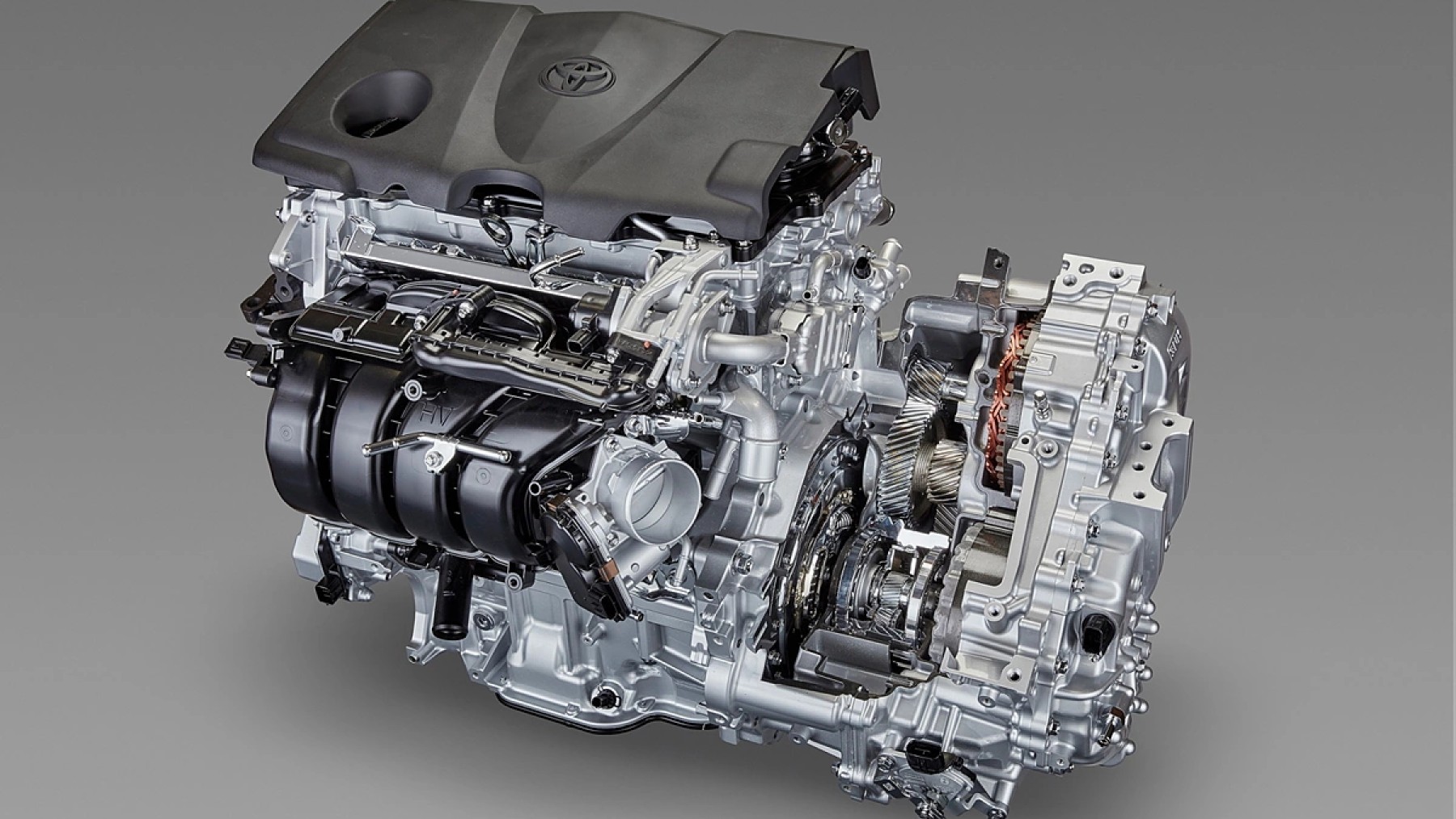
In a rather unexpected turn, Toyota unveiled a revolutionary fix for a significant problem that had earlier called for the recall of thousands of cars. This recall, declared in early June, applied to about 99,000 Toyota Tundra pickup trucks and about 3,500 Lexus LX 600 SUVs because a dangerous engine issue might render the vehicles powerless while on the road.
In response to this problem, Toyota, for instance, pledged to replace the engines of all the affected vehicles. This measure, done at the owners’ cost, will demonstrate Toyota’s commitment to maintaining its reputation as a reliable automaker that delivers quality products to its clients.
The critical engine defect and its severe implications for safety
It is perhaps helpful to dig deeper into the problem with the engine and the potential that this has. It might also have happened that during manufacturing, some engines were contaminated by debris or other foreign particles. These forms of contamination can cause several severe problems, such as abnormal noises, rough running conditions, and, in some extreme cases, total engine stalling.
These defects are dangerous to drivers and passengers; therefore, Toyota must deal with them urgently and effectively. The failure to attempt repairs and opting to replace entire engines indicates the gravity of the situation and their unchanging stance on customer safety, reliability, and satisfaction.
This aggressive approach emphasizes Toyota’s commitment to preventing dangers as much as possible. The recall also proved the company is ready to sacrifice some sales and revenues in the short term to ensure that their clients are safe and their vehicles are of high quality and free of potential dangerous flaws.
The unprecedented scale and scope of Toyota’s massive recall effort
One of the most pronounced features of the recall is that both the scale and scope are impressive. This recall is one of the largest in Toyota’s history, Impacting around 2,50,000 vehicles of the 2022 and 2023 model year Tundra and LX 600s. The involved models include Tundra, both G and iForce Max models, although the engine recall only affects the gasoline variant.
It is a typical example of how some companies undertake large-scale recalls as a strategy to mitigate potential risks that may lead to accidents or, much worse, severe mechanical breakdowns. Recalls of this scale were seldom seen in the industry before this, and how Toyota manages it with such force and extensive measures points to the firm’s superior functional flexibility and managerial planning.
The magnitude of the recall also brings out the fact that our supply chains and manufacturing systems across the globe are integrated, therefore insisting on the need for defective control mechanisms throughout the production line.
Toyota’s comprehensive engine replacement procedure to regain customer confidence
The replacement process involves the following: The replacement process is comprehensive but beneficial as it helps regain the customers’ confidence. Thus, Toyota dealers will offer their services in replacing the engines in concerned vehicles without charging the owners a dime. This decision helps to prevent certain financial risks from shifting to the consumers and remains advantageous to the customer throughout the process.
Furthermore, Toyota has not made public the financial effect of this operation on the firm. However, given the number of affected vehicles and the nature of the recalls, particularly the engine replacement, this must have significantly affected the company. Nevertheless, the cost remains a minor factor for Toyota compared to the importance of maintaining brand image and guaranteeing the safety of their automobiles to every consumer.
Conclusion: Toyota prioritizes customer safety and quality through extensive recalls
In conclusion, Toyota has shown great concern for its customers by recalling more than a hundred thousand Tundra trucks and Lexus SUVs because of engine problems. The type of the situation—manufacturing debris prospectively leading to engine malfunction—called for an immediate and exhaustive action.
Regarding the extent of the recall, one can point out that Toyota is going beyond necessary measures to ensure the safety of their vehicles; in the case of the replacement, the firm shows that they are willing to incur significant expenses to safeguard customers’ trust.
In executing these replacements, Toyota redeploys its commitment to precision and quality as an assurance to its clients, who know their vehicles will remain safe means of transport. Doing this tackles the problem at hand and paves the way for hot automotive recalls to be dealt with in a way that consumers find reasonable.