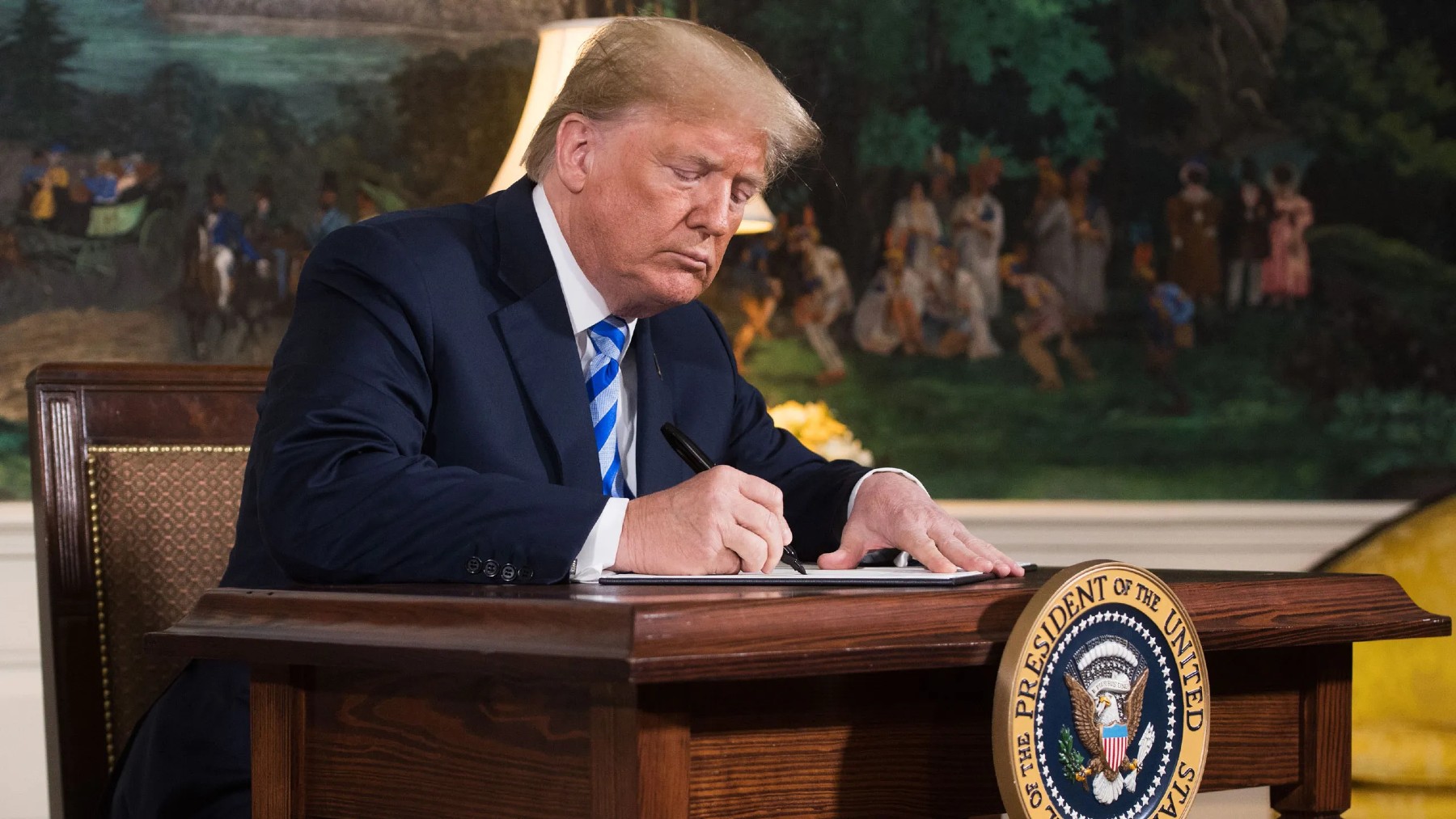
The recent election of Donald Trump as the 47th president of the United States changes are expected to be made to the economy, including stimulus checks and Social Security. Since Trump’s first presidential term, political parties have debated the current state of stimulus payments, including the frequency of the payments. The next four years are set to see continued legislative debates on the national distribution of these payments.
Stimulus checks were a significant cornerstone during COVID19
During his presidency, Donald Trump played a significant role in the implementation of stimulus payments aimed at alleviating the economic impact of the COVID-19 pandemic. In March 2020, Trump signed the Coronavirus Aid, Relief, and Economic Security (CARES) Act, which authorized direct stimulus payments to individuals. These payments provided up to $1,200 per person, with additional amounts for dependents. These payments were intended to provide immediate financial relief to millions of Americans facing job losses, furloughs, and business closures due to the pandemic.
In December 2020, Trump also signed a second stimulus package that included $600 direct payments which was later expanded under the Biden administration. Trump’s administration framed these payments as a way to quickly inject cash into the economy and support consumer spending during an unprecedented economic downturn. While the stimulus checks were widely popular, there was political debate over the amount and frequency of these payments, with Trump himself pushing for larger checks at one point.
Debates surrounding future stimulus check payments
As the U.S. economy recovers from the effects of the COVID-19 pandemic, lawmakers, economists, and the public are divided over whether to continue, expand, or reduce direct payments to individuals as a regular policy tool. Supporters of continued stimulus payments argue that direct financial assistance is critical for addressing ongoing economic inequality, especially as inflation, housing costs, and wage stagnation remain concerns. Some more radical individuals advocate for regular stimulus checks or even a universal basic income (UBI) to provide consistent support to low- and middle-income Americans
Critics argue however that the need for stimulus checks is less urgent as the economy recovers. Some believe that stimulus payments should be reserved for times of crisis (such as economic recessions or national emergencies) rather than as a regular solution. They warn that frequent direct payments could lead to inflation or discourage work, reducing the overall incentive for people to engage in the labor market.
“…it would likely take a considerable event for a prospective Trump Administration to support a stimulus package,” says Dr. Jim Ronan, a political science professor at Villanova University told Yahoo! Finance. Historically, Republicans have generally been more cautious about stimulus payments and other forms of direct government assistance, emphasizing the importance of fiscal conservatism, reducing government spending, and promoting free-market solutions.
No confirmed plans from Trump
Trump has not made any references to plans for upcoming stimulus payments nationwide, however individual states are still offering payments to citizens. Several states have introduced their own stimulus or relief payments to help residents facing economic challenges such as the ongoing inflation. These state-level stimulus programs often target specific groups, such as low-income households, frontline workers, or families with children, and are designed to provide targeted relief to those in need.
The emerging point coming out of stimulus payment debates is that the average American household is struggling to meet daily expenses and there is an increasing demand for government assistance. The new Trump administration will need to face public concerns of rising costs of living and the need for more economic support. Additionally, there may be political pressure to bring manufacturing jobs back to the U.S., a theme Trump emphasized during his first term. However, reshoring jobs in an increasingly globalized economy would be a complex and costly undertaking.