The Social Security Administration (SSA) declared a new round of stimulus checks in July 2024, including up to $4,000 for persons with disability and other deserving beneficiaries. This financial boost relieves millions of Americans who are struggling financially to make ends meet and deal with inflation.
These include retirees, survivors, disabled persons, and SSI beneficiaries who are intended to assist the beneficiaries in meeting their expenses to reduce further deterioration of their financial position. Such timely payments are even more critical in states without extra stimulus funds, helping those in most need during these unpredictable times.
Comprehensive payment schedule: Here’s when you can expect your funds
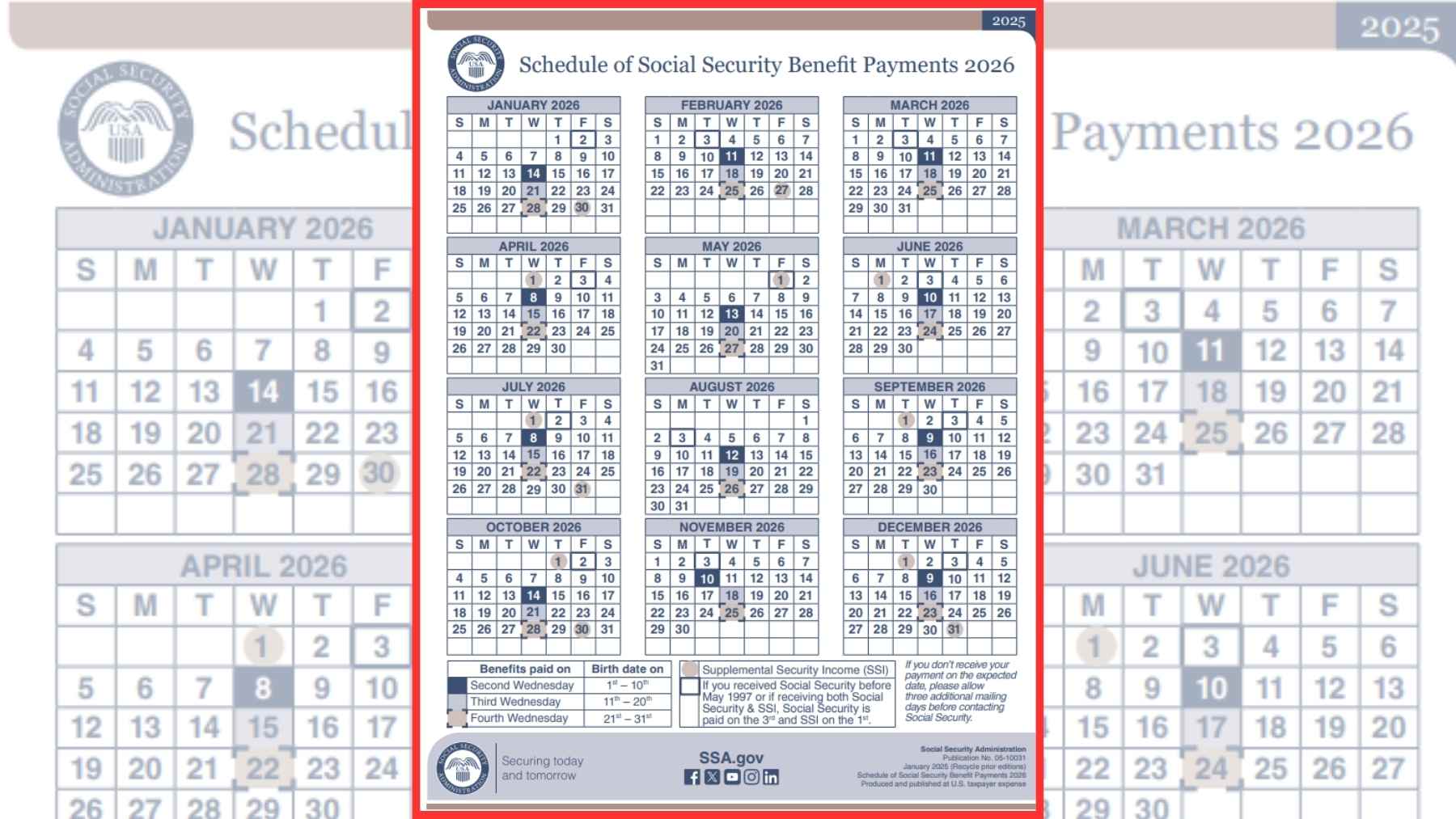
The SSA has made a comprehensive payment schedule for July 2024, and payments are made to all the beneficiaries orderly. SSI recipients and retirees entitled to benefits before May 1997 received their payments on July 3.
For other beneficiaries, the birth dates and payment dates determine each other: Those who were born between the 1st and the 10th of the month got the payment on July 10, the ones born between the 11th and the 20th received the payment on July 17, while the ones born between the 21st and the 31st to receive the payment on July 24 which is the expected time.
This systematic approach enables the beneficiaries to plan their finances better, especially when they know their funds will be available. The timeliness reflects the SSA’s commitment to deliver consistent and dependable assistance to millions of Americans who rely on these payments for their basic needs and sources of income.
Detailed breakdown of social security benefits: Are you eligible for more?
Social Security benefits are primarily divided into two categories: retirement and disability. The payment quantum depends on factors like working experience and the age of the beneficiary. At present, it is $1907 per month when a worker is retired or $3,303 for couples filing jointly. However, the payments can be much higher for those who postpone their retirement.
For instance, someone retiring at 62 can get up to $2,710, someone retiring at 66 gets up to $3,652, while someone who opts to retire at 70 gets a maximum of $4,873. The SSA uses the following formula to arrive at these benefits: the highest indexed average monthly wage earned over thirty-five consecutive years is utilized in determining the PIA to ensure that benefits awarded correspond with the beneficiary’s lifetime wages and contributions.
How COLA adjustments help maintain your purchasing power
Regarding the issue of inflation or the erosion in the purchasing power of benefits over time, the SSA has adopted a 3.2% cost of living adjustment COLA for July 2024 payment. This measure, which began in October 2023, is helpful in preventing fluctuating prices and reducing the purchasing power of the beneficiaries.
Regarding future predictions, early estimates of the 2025 COLA point to an approximate rise of approximately 2.2%, although our final projection for 2024 is still to be determined then. Such constant readjustments underscore the efficiency and work ethic of the SSA and the need to preserve the real purchasing power of benefits while assisting the surviving spouses and other beneficiaries in managing their living costs.
It is important to note that the COLA mechanism uses indices such as the CPI-W, which indicates that the SSA has been trying to adjust benefit increases to actual economic conditions. Finally, the new stimulus checks of up to $4,000 for people with disabilities, as well as other eligible beneficiaries, may be considered a proper action taken by the SSA in order to support millions of Americans financially.
These payments, combined with the primary SS benefits and COLAs, are invaluable for keeping millions of our readers financially stable and secure: retired individuals, people with disabilities, and low-income earners. With such a stance, the SSA has ensured that families not only within these states but also all over the country get financial support through Social Security benefits that are adjusted and paid at the right time as the socioeconomic environment changes. A
pplicants are advised to check their payment rates and due dates frequently, as well as benefits and appeals procedures, in order to receive the highest amount of benefits and stay financially secure during these difficult economic situations.