You know that saying about finding someone else’s pot at the end of the rainbow? Well, one US state just made it happen, but it wasn’t at the end of the rainbow; it was below everyone else’s. And most importantly, it wasn’t just any gold either, but volcanic white gold, which is valued at no less than $1.5 trillion. Well, it looks like the global race for essential resources for our energy transition has just entered a new chapter.
The volcanic white gold is worth $1.5 trillion
This particular volcanic white gold is very, very old, we’re talking about 16 million years old. This is because it comes from natural resources that have been formed over millennia, through an ancient volcanic caldera created after strong eruptions (from prehistoric times), which left behind sediments rich in minerals. This gold is known by another name as well, and you might even be more familiar with it: we’re talking about lithium. That’s right, one of the main materials used in electric vehicle batteries, so you can already imagine why we’re associating this discovery with finding the pot of gold at the end of the rainbow.
In addition to being a historic discovery due to the type of material found, what makes it even more impressive is the quantity. We’re talking about between 20 and 40 million metric tons of lithium. Putting these numbers into real-life situations, it would be enough to produce hundreds of millions of batteries for electric vehicles, hence the valuation of US$ 1.5 trillion.
Where does this volcanic white gold in Oregon come from?
To better understand where this material came from, we need to break down the unique name given to lithium. Let’s take it one step at a time: white gold has been used in recent years due to its growing importance in the battery industry (an example of this is the German electric cars that use this type of battery) and, consequently, in the future of electric mobility and clean energy storage. Volcanic gold, on the other hand, is something very specific to this situation, let’s understand it better…
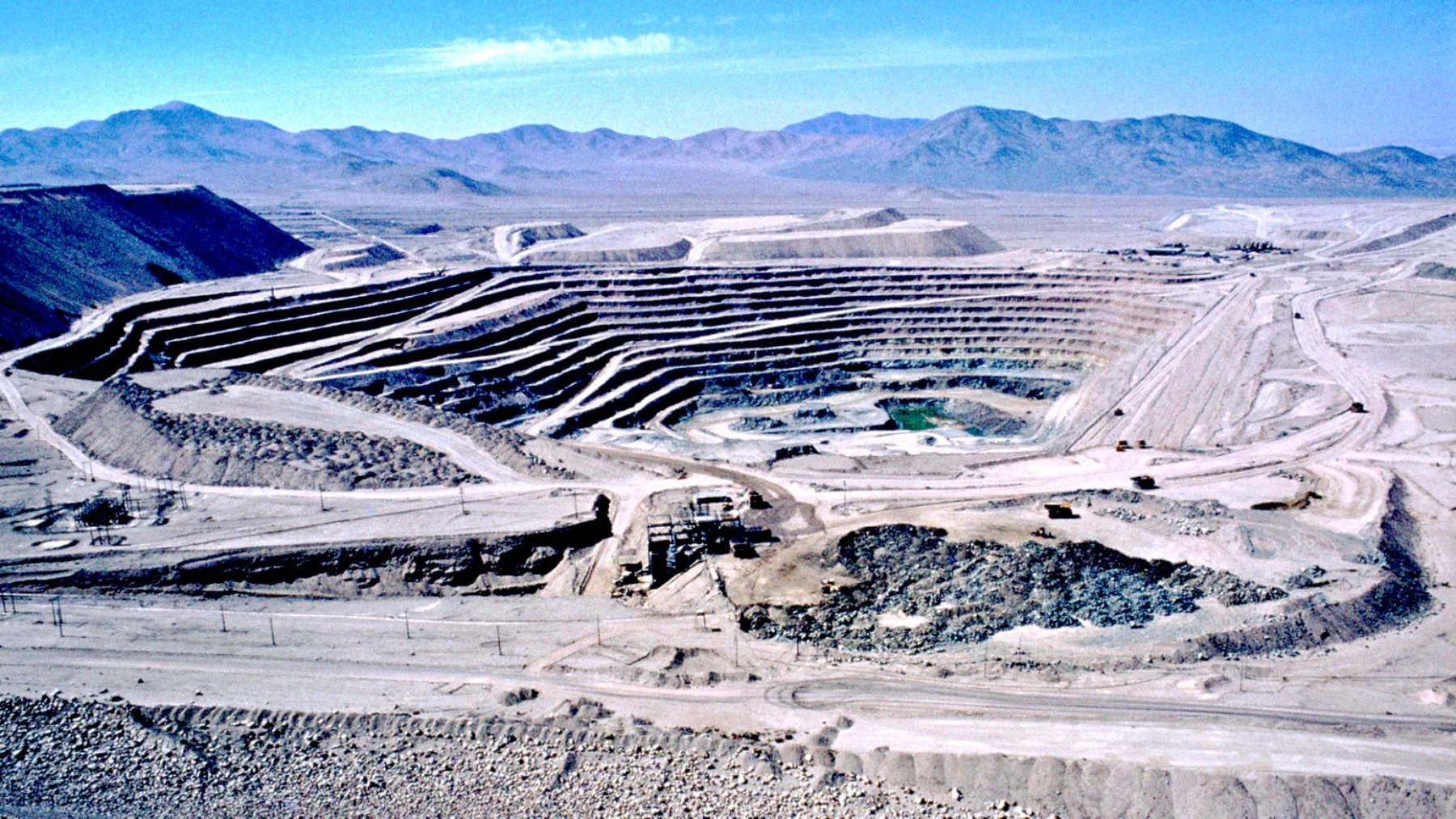
Lithium is normally found in brines, and there are several deposits in South America. However, this time it was found in clay sediments originating from ancient volcanic eruptions. In technical terms, this geological composition makes the extraction process more complex, but, as everything in life has two sides, it also indicates a very high concentration of lithium, increasing its strategic value. Ok, but where was this special lithium found? Without further ado, the discovery took place in the American state of Oregon, more specifically in the McDermitt Caldera, a geological formation on the border between Oregon and Nevada.
What impact does this have on our energy transition?
This discovery has a direct impact on the automotive industry. Why? Well, we’re talking about the United States becoming the leader in lithium supply, and right away, it generated optimism among investors and the industry as a whole. The euphoria was so great that automakers are already taking steps to ensure a stable supply. In addition, political leaders see this discovery as a chance to reduce dependence on more vulnerable global chains, even more so now with geopolitical tensions hanging in the air.
Now, moving on to the not-so-positive side, even amid all this euphoria, environmentalists have already warned about the risk of habitat destruction in the region, and some local indigenous tribes have also reported threats to sacred lands and ceremonial sites. Some scientists are even telling us to say goodbye to lithium because of these implications. In this example, they tell us that future batteries will use a component that keeps us alive.