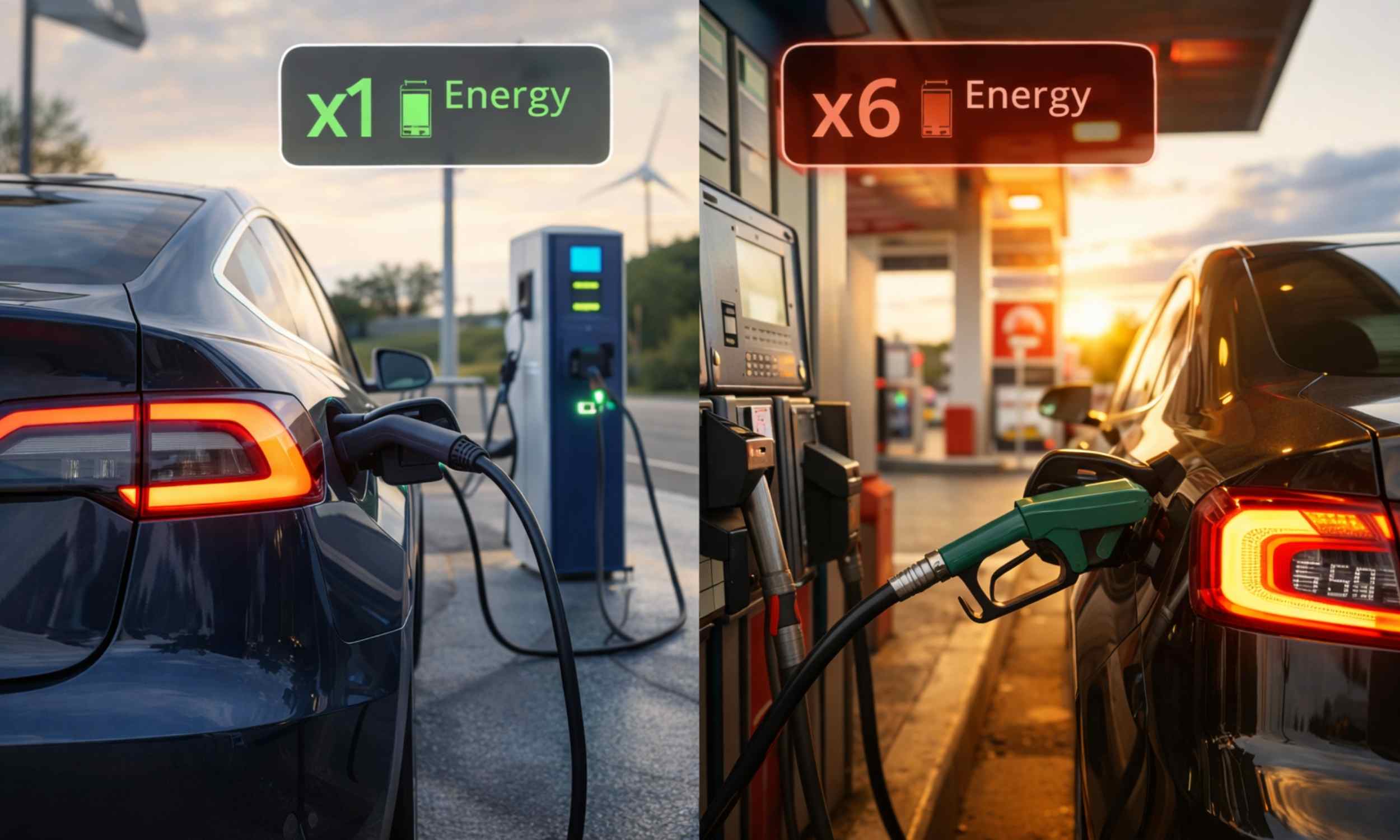
EVs were poised to boom during 2024, something that ultimately did not materialize due to a number of factors. One of them, you may be surprised to learn, has been the arrival of new alternative and zero-emission fuels, of which we have reviewed a few. However, a team of scientists has just achieved something that was thought impossible: this is the first water engine in history that defies the laws of physics and, therefore, of the universe.
Experts have achieved the impossible: Water engine on the move for the first time in history
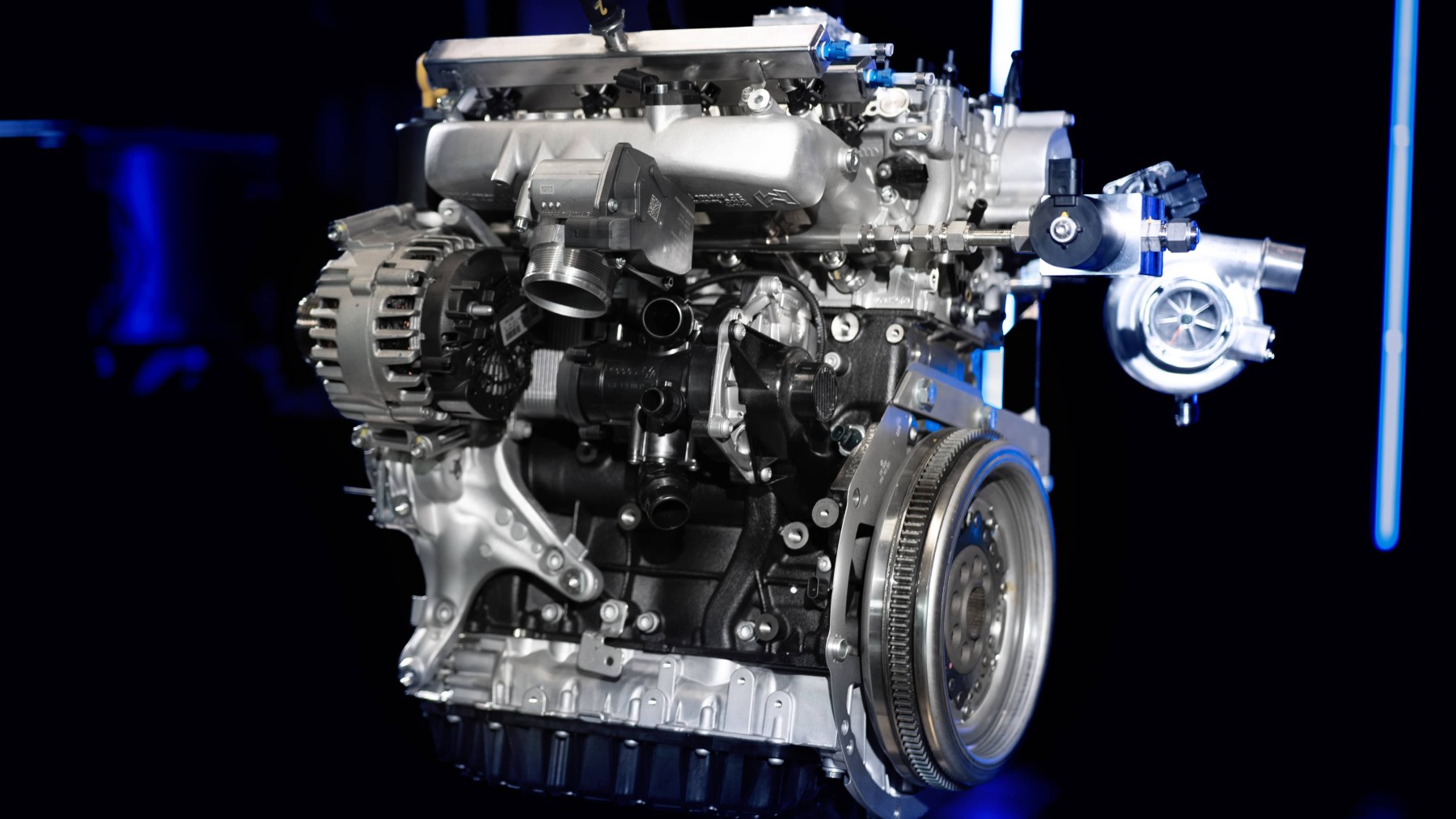
AVL Racetech, the motorsport technology division of AVL, Europe’s largest independent company for the development of powertrains and transmission systems, recently developed a hydrogen-raced engine, which is a major step forward in the world of environmentally friendly racing cars.
These advanced technologies can help Alter The High-Performance Racing Future With a New Generation of Clean-Solving Technologies for internal combustion engines. At the center of this monumental work is a 2.0-liter turbo engine that has the greatest power and performance level ever exhibited.
During the recent tests conducted, the prototype came out with a refined 410 hp at 6,500 revs per minute and a maximum torque of 500 NM between 3000 and 4000 rpm. More important for this engine, and this defines it as truly exceptional, is the specific power output of roughly 205 hv/litre or 150 kW/litre; it competes directly with the near-production prototype racing classes of today.
No more ICE engines for FCEVs: The future is on IWI, but anyone knows what it is
This level of power density is a magnanimous feat, though in the past, hydrogen-powered engines offered fewer power figures as compared to their counterparts because of their lean-burn combustion characteristics. Intelligent Water Injection (IWI) is a type of corrosion management technique that has the ability to prevent corrosion in different wells in an efficient and effective manner.
The main feature of this engine is that AVL Racetech increased the mixture concentration by shooting water into the cylinder. A new, innovative Port Fuel Injection (PFI) water injection is applied by the team that introduces more water into the engines to take air.
This water injection serves two crucial purposes:
- It avoids high, unwanted engine revolutions that can be detrimental to the engine. The water vapor also provides cooling at the combustion chamber; it makes the engine burn fossil fuels in a stoichiometric manner instead of the conventional high combustion, lean-burn.
- It boosts the pressure of air by decreasing the flow demand, which is predominantly high in lean-burn combustion. The wastegate turbocharger unique to this application caters for the lower air need, while the higher altitude air demand is supplemented by the compressor.
From simulation to reality: How was this hydrogen (water) engine developed
This race engine has required much development and planning and is a fine example of a team effort. The idea of such a racetrack layout has been realized with the assistance of AVL Racetech and Hungarian HUMDA Lab specialists. The given project commenced at the incidental level, where simulations are often used, and it co-related well into the actual results.
This process of simulation enabled the team to keep refining the engine and to confirm that the levels of mechanical stress and strain on the engine were not its mechanical extremes. This was important, as motorsport vehicles have to meet very high safety standards (as you saw this week with the first race engine running on hydrogen).
It is clear that AVL Racetech has achieved a historic milestone that the whole of Europe is now boasting about. The truth is that not all hydrogen engines are going to come from Japan or Germany, while in China they have not yet been developed, and in America we have not even considered it. Will we have to wait for our commercial rivals to do it? Tesla has already taken its first steps in this direction, and everything points to a surprise by 2026.