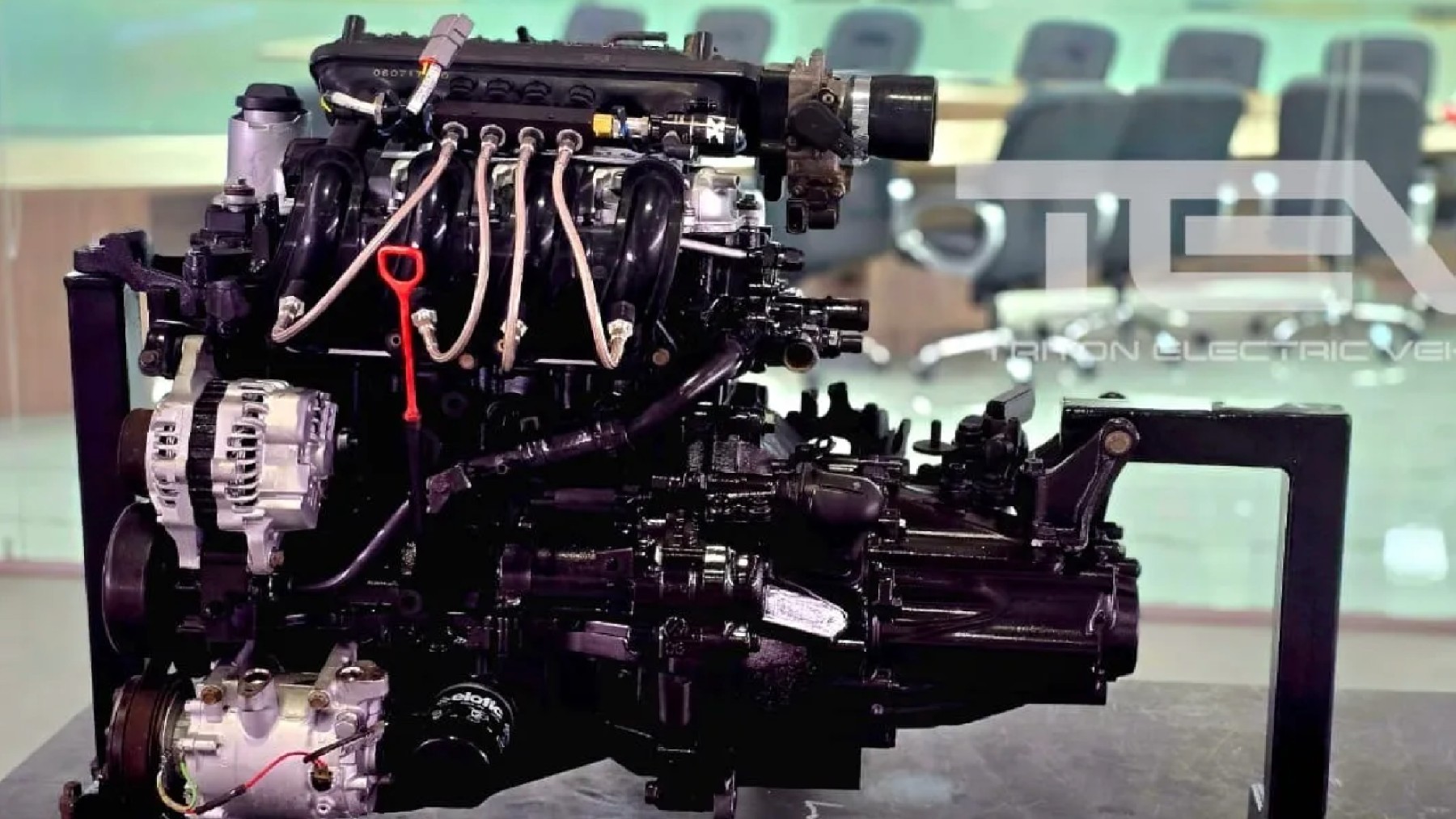
Triton EV has launched a new hydrogen internal combustion engine in what has come as a planned shift for the automobile industry. This great innovation originated in India and has brought a positive mark or improvement in developing environmentally friendly transportation means. Hydrogen is a renewable source of fuel. Since Triton EV’s engine runs on this fuel, it is environmentally friendly as compared to gasoline engines as it will not emit carbon into the atmosphere while at the same time being as powerful and efficient.
The statement has been well-received by audiences interested in automobiles and budding environmentalists. This is a breakthrough in finding a solution to addressing climate change issues primarily focused on the transportation sector. This revolutionary engine technology offers an opportunity to have shining vehicles emitting reduced carbon and prove that one can innovate sustainably in the automotive industry.
Discover the eco-friendly innovation that is changing the face of the automotive industry
The hydrogen engine of Triton EV is a revolutionary change in the automotive industry. This new engine is different from ordinary gasoline engines that release CO2 and other gases that are harmful to the green linger in the atmosphere. This new engine produces only water vapor when burning fuel. They include the extent of emission cuts on environmentally unfriendly gasses such as carbon monoxide, hydrocarbons, and nitrogen oxides.
Earlier, there were a few disadvantages to using fossil fuels since they emit these gasses while burning, which will make electronic cars environmentally friendly devices in the context of transport systems in the future. Its prospects of operating the engine without contributing to the formation of carbon emissions fit the concept of climate change and the efforts of containing the automotive industry’s effects on the environment. In addition, using hydrogen as a fuel can form a closed energy cycle, like any other fuel, as long as the hydrogen is produced using renewable energy sources.
Efficiency and performance: How the Triton EV hydrogen engine outshines traditional engines
As a hydrogen internal combustion engine, the Triton EV was developed to be highly efficient without power. The engine used for generating mechanical energy also incorporates the experimental combustion system custom-designed for hydrogen fuel and aims at the non-expenditure of fuel energy. It leads to improved thermal efficiency as opposed to standard gasoline engines, implying better fuel economy and reductions in operational costs.
Power output, torque, and horsepower are in harmony and are seen to surpass the capabilities of conventional internal combustion engines. This makes it possible for the vehicle to have optimum performance irrespective of the conditions under which it will be operated, whether as a City commuter or a long-distance car, commercial vehicle, etc. Besides, the engine’s structure complies with modern materials and engineering approaches, increasing its reliability and service life and offering maximum efficiency in various conditions.
Collaboration opportunities: Why manufacturers should partner with Triton EV
We also find adaptability to be one of the highlights of the Triton EV’s hydrogen engine. This engine can be located in virtually any type of motor car, ranging from small B-segment cars to large commercial vehicles. This versatility makes it possible to see the consequences of hydrogen propulsion practically in all categories of automobiles, making environmentally friendly vehicles more available to the average clientele.
Currently and in the future, automotive manufacturers, fleet operators, and other stakeholders are encouraged to contact Triton EV and explore opportunities for incorporating this exciting innovation into their cars. Such partnerships will help the company advance the use of hydrogen engines and contribute to the automotive industry’s improvements that positively affect the environment.
The future of transportation: How hydrogen engines could transform the industry
Lastly, the Triton EV’s announcement about its hydrogen internal combustion engine is another step in the automobility journey. The efficiency and adaptability of this revolutionary power plant can revolutionize one of the most significant and rapidly expanding sectors—transportation—while operating in an environmentally friendly manner. As the global population looks for ways to reduce greenhouse effects, the hydrogen engine in the Triton EV will likely be the best way to eliminate gasoline automobiles.
Since it aligns with clean energy principles and produces zero carbon emissions, it can become a valuable tool in forming an improved picture of transport in the future. Triton Industrial is also looking for collaboration and partnerships to sell and distribute its power, as the usage of hydrogen engines is growing in the market, which could mean a new form of green automotive systems shortly.