Venezuela is an oil-endowed country but has sold its oil, facing various challenges occasioned by international bans and other market factors. As a result, the nation has sought other methods to tap energy from other sources in the natural environment. The Guri Hydroelectric Power Plant is a good example of a path-breaking development where water is directly converted into energy. This article discusses the fact of this innovation, the usefulness of the innovation in science and real life, and the actual causes of such change.
The Guri Hydroelectric Power Plant: Venezuela taking a giant step towards renewable energy
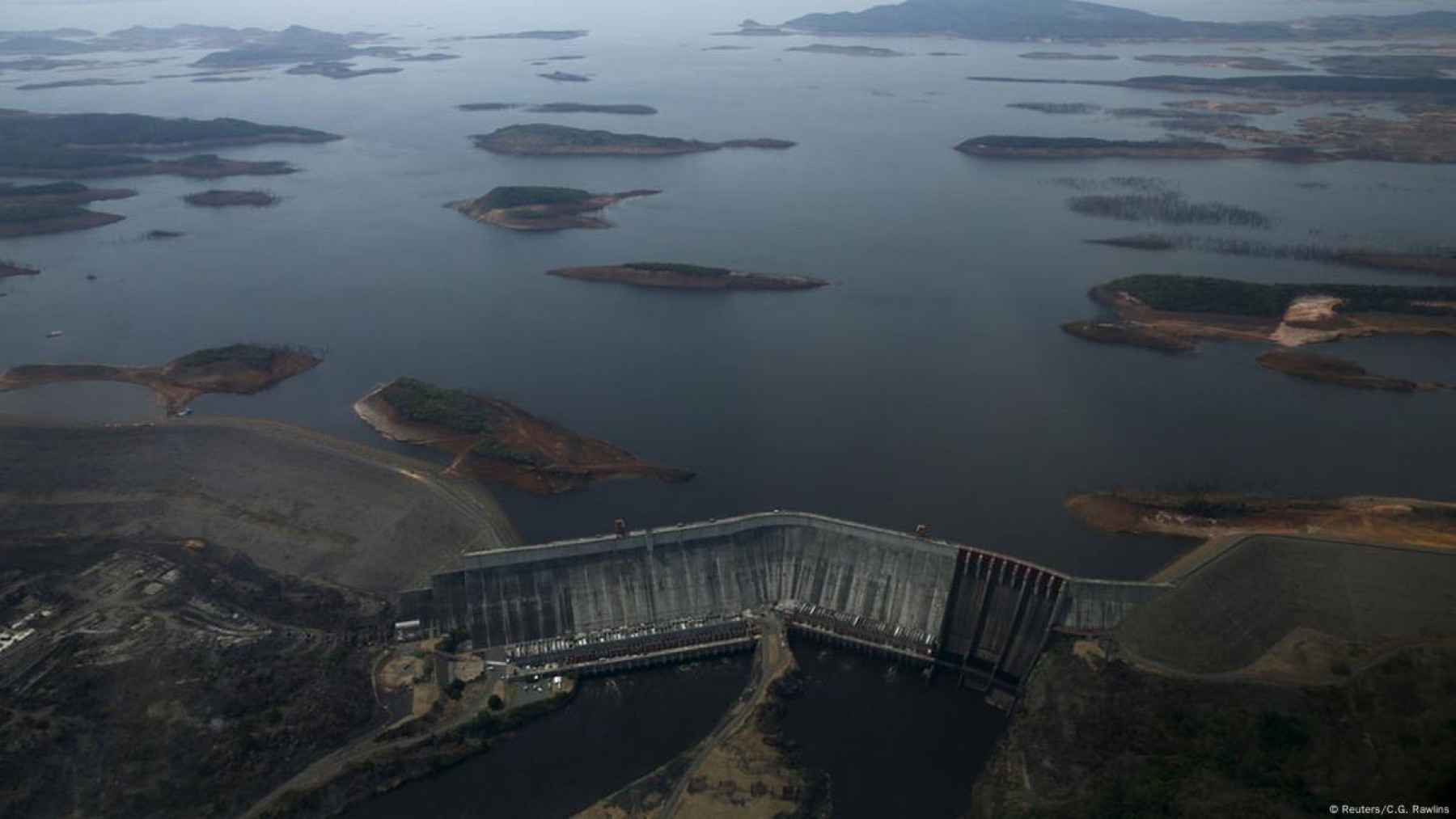
Guri Hydroelectric Power Plant, known as Simón Bolívar Hydroelectric Power Station, is one of the world’s biggest hydroelectric station power plants. Located 100 km upstream of Caroni River at Necuima Canyon, Orinoco, Venezuela, it has an installed capacity of 10200MW and produces 50000gw/h energy to the country per annum. The development of the Guri Dam started early in the sixties as Venezuela’s energy strategy that aimed at minimizing the use of fossil energies.
The initial structure was finished in 1969, while the last phase was commissioned in 1986. It has a height of 532 feet and a length of 4,314 feet; thus, it is one of the biggest, which provides a very important function in Venezuela’s agriculture of electricity production. Powerful structure but not only of the Guri Dam – this facility is also technologically highly developed. The plant hosting the network has three high voltage switchyards with 800kV, 400Kv and 230kV respectively in a breaker and half layout.
In 2007, the Venezuelan government launched what was considered a modernization program for the purpose of adding another thirty years to the power plant’s operations, including considerable revamps. Andritz Hydro and Alstom Hydro purchased and installed new turbines and generators through contracts signed with the respective client companies. Also, ABB Venezuela, ABB Canada, and ABB Switzerland implemented unit control, protection, and instrumentation systems. These have guaranteed that Guri Dam will effectively discharge its duties, providing sufficient energy to Venezuela.
Venezuela’s energy strategy: striving for a reasonable compromise between the environment and the economy
It has been long stated that the Guri Dam has had a two-pronged effect on Venezuela. On the one hand, for instance, it has greatly managed to minimize the use of fossil fuels in the country, which is considered a cleaner energy source. Hydroelectric power from the dam accounts for roughly 73% of Venezuela’s needs and is the major working part of the country’s power station. However, more to the point, the level of environmental cost of such a structure, such as the BPA dam, cannot be denied.
The construction of this dam inundated the village of Guri and changed the features of the water environment. Furthermore, to aggravate the problem, huge dependence on the Guri Dam has caused power shortages at times of water scarcity for hydroelectric energy generation, as happened in 2010, 2016 and 2019. These examples show the importance of diversification of energy supply in the overall portfolio of oil and gas markets with a focus on Venezuela.
However, let me clarify some misconceptions. As the Guri Dam is an achievement in hydroelectric power, the following issues must be considered: Some people call it laser technology, but such a notion is misleading since the Guri Dam technology does not in any way resemble laser. It does not use old technology, such as the construction of big dams, but it uses modern hydroelectric technology and modern engineering practices.
Misconceptions and real reasons for Venezuela’s energy change
The actual reasons for this energy plan of Venezuela entail more than one cause. Other restrictions have prevented the country from exporting much of its oil, so the country has moved towards using other energy sources. The Guri Dam is a great power plant that studies show has the capacity to generate 10,200 megawatts of electricity; it is equipped with modern power engineering technologies that have become the cornerstone of this strategy.
Ultimately, Venezuela demonstrates that the use of electricity generated by water through the Guri Hydroelectric Power Plant represents a step in the right direction towards ensuring sustainable power in the future. Due to the utilization of high postmodern technologies in the development of hydroelectric power, the country has decreased its oil importation and helped the rest of the world mitigate the effects of climate change. Although these problems have not yet disappeared, ongoing processes of modernization and diversification open the way to a more stable and, therefore, sustainable energy system.
Therefore, the Guri Dam reflects the principal issue of innovation and is a worthy commitment to the sustainability of Venezuela’s resources. It focuses on the prospect of hydroelectric power as a perfect example of an efficient and clean energy. At the same time as the global search continues for new sources of energy apart from hydrocarbons, Venezuela’s experience and efforts in this matter are appropriate and commendable.