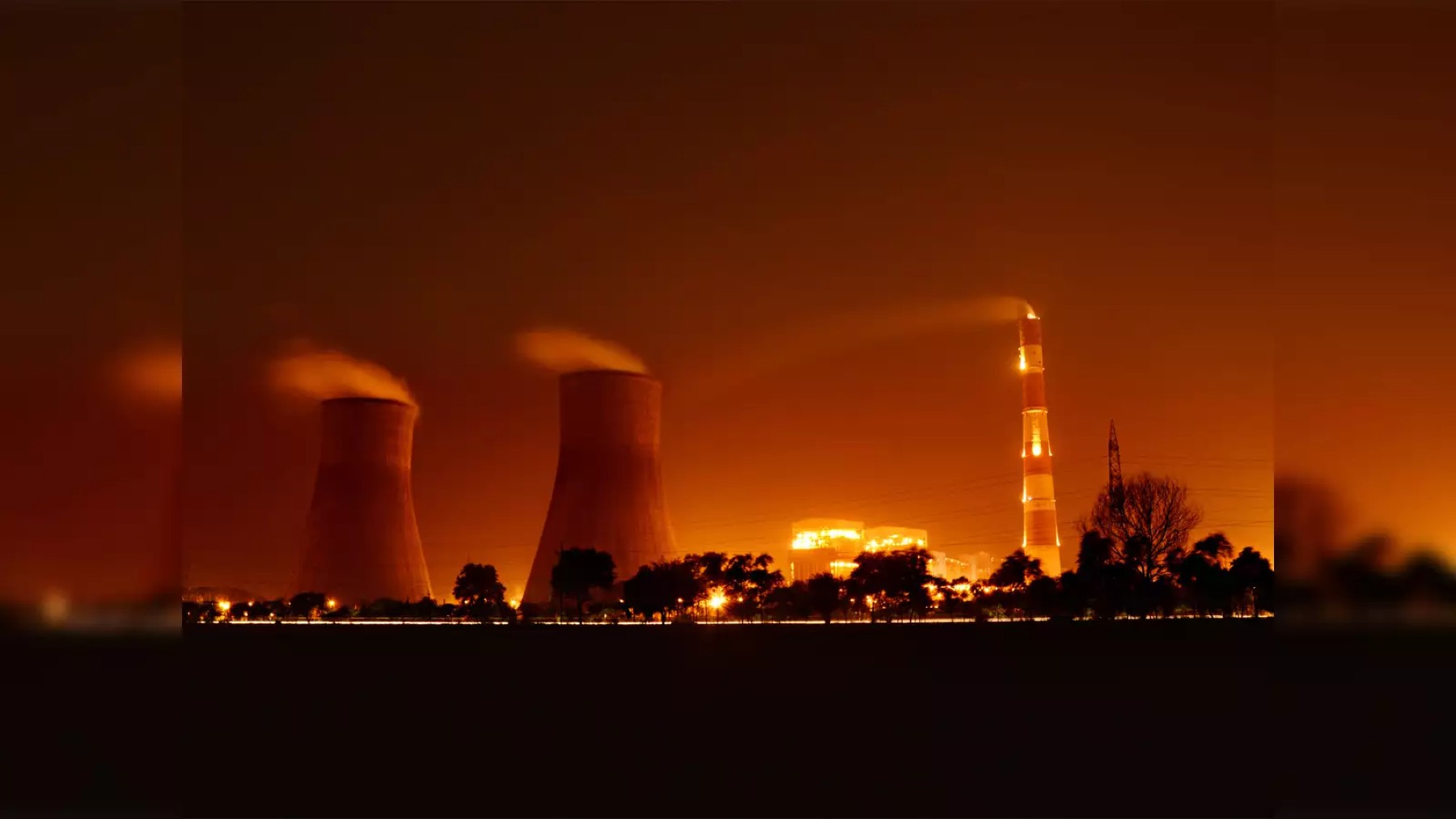
Nuclear power plants are thus the major source of the clean energy that the world desperately needs now. However, it is always argued that these power plants are not safe, economical, or environment friendly. With many others in the world, a few giants stand out because of their sheer size and impact among the largest nuclear plants in the world.
Kashiwazaki-Kariwa: The largest nuclear power plant in the world
As previously mentioned, the largest nuclear facility in the world is the Kashiwazaki-Kariwa Nuclear Power Plant (KK) along the Sea of Japan, and it boasts a total gross installed capacity of 8,212 MW. Seven boiling water reactors (BWRs) are available, in sizes ranging from 1,100 MW to 1,356 MW. The plant was inaugurated in 1985 with the last reactor coming on stream in 1997.
It has the capacity to power more than 13 million households, but since the Fukushima Daiichi disaster occurred on 11 March 2011, it has been turned off. That incident invoked much stricter rules for facility safety, for which reason local government approval for restarting this facility has not yet been secured, although it received clearance from the regulator in 2017.
The debate within the country is on what this facility will accomplish for cost and emissions reduction as Japan moved more toward importing fossil fuels. It is the Bruce Nuclear Generating Station in Ontario, Canada, which is the second-largest nuclear power plant in the world, with a total generating capacity of 6,430 MW and eight pressurized heavy water reactors whose operation began as far back as the 1980s.
After many years of shutdown, two units were put back into operation in 2012, restoring the operational capability of this facility. In 2019, the elevation of its peak capacity was even increased by 22 MW because of additional upgrade at the plant. Its reliability in capacity in supplying power continuously will be a vital part of the energy strategy for Canada.
Nuclear power plant of Hanul: South Korea’s energy super giant
The Hanul Nuclear Power Plant is the largest in South Korea and ranks as the third-largest nuclear plant in the world. It has a current net capacity of 5,908 MW and will increase to 8,608 MW when its second development phase completes.
Initially Ulchin, the plant has six pressurized water reactors (PWR). Two more reactors under construction as Shin Hanul-1 and Shin Hanul-2 are part of the ambitions for extending nuclear development in South Korea. With an overall ranking of fourth, this is a South Korean nuclear power industry site with an output of 5,899 MW.
It started operations in 1986 and comprises six PWRs that have recently faced some challenging times, such as having had the problems of experiencing cracks in their control rod guide tubes; these were repaired in 2013. Hanbit emphasizes the regular maintenance needed to assure the nuclear safety and efficiency of the sites.
The next thing we do is carbon-free power: The promise of Zaporizhzhia and Gravelines
The Zaporizhzhia Nuclear Power Plant is the largest in Europe with a capacity of 5,700 MW, and along with six other VVER-1000 reactors, produces over 20% of Ukraine’s electricity. It is on par with the Gravelines Nuclear Power Plant in France, which, with a built capacity of 5,460 MW, has been running since the 1980s, making it an exemplary installation in terms of reliability and efficiency.
These plants demonstrate how nuclear energy can provide the capacity for delivering large, carbon-free power while also emphasizing some of the ways in which it confronts challenges such as political resistance, waste management, and protracted construction times.
There is increased attraction towards nuclear energy, a tendency that has even seen expansion by China and India; however, weighing this against other principal issues of waste and safety becomes increasingly complicated. The resumption of operations of Japan’s KK plant indicates the tension.
But the fact is that nuclear power plants such as Kashiwazaki-Kariwa and Bruce signify that nuclear energy can adapt and satisfy global power needs for a long term. They are necessary for energy transition but first create an economic, environmental, and political controversy and leave a promise for the future of nuclear energy.