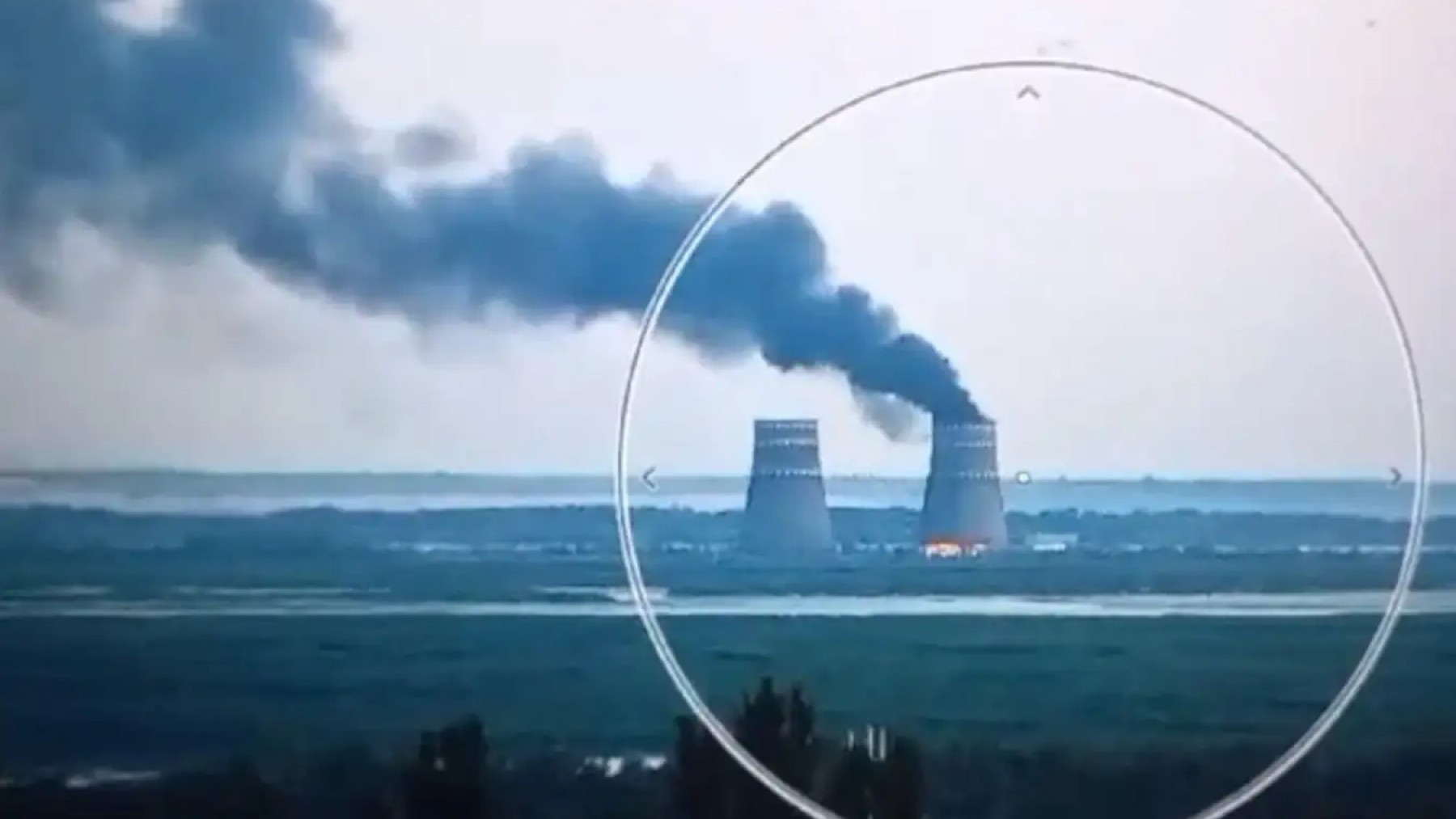
The United Nations has voiced worries also regarding the Zaporizhzhya Nuclear Power Plant (ZNPP), which is still in Russian possession during combat operations. The International Atomic Energy Agency (IAEA) has been observing the location with its personnel on the ground, calling the circumstances “highly challenging”, mostly because of the threat of military actions in the vicinity of this important nuclear power plant.
The nuclear power plant of Zaporizhzhya is under the control of Russian forces: An increasing threat to the European region
The Zaporizhzhya Nuclear Power Plant located in the southeastern part of Ukraine, is presently occupied by Russian troops because of the large-scale military incursion that began in February 2022. Despite the many measures put in place by the IAEA to ensure safety, the situation is still alarming.
There have been constant blasts around the vicinity of the plant, however, there has not been any reported damage to the actual plant. This despite the zealous efforts of the IAEA team to curb any nuclear accidents with the knowledge that the risk of such an occurrence for Ukraine, for Europe, and further afield would be unfathomable.
The agency will further ensure that they assist the Ukrainian authorities in vested with the security of the establishment as stated by IAEA director general Rafael Grossi. This also extends to nuclear safety monitoring at other facilities in Ukraine with nuclear activities apart from Zaporizhzhya.
Despite this constant intervention, the unstable environment has made it hard for the experts to provide a guarantee that the site will remain safe for a long period, as there is a risk of new aggressions and damage to facilities.
As the situation in Ukraine continues to escalate humanitarian in nature, causing distress in the implementation of nuclear safety reforms
The current situation of the humanitarian crisis in Ukraine aggravates the problems posed to the IAEA and Ukrainian authorities. In the north, east, and south of the country, severe assaults have resulted in more than 1400 casualties combined.
Targeting of critical energy infrastructure endangers vital services and is likely to aggravate with the prevailing winter season. The United Nations brings attention to the high shortages of funds for humanitarian assistance and the persistent need to stabilize the nuclear safety of the IAEA in the conflict environment.
As the conflict escalated, so did fears about the possibility of a nuclear disaster at the Zaporizhzhya site
The risks associated with a nuclear crisis in Zaporizhzhya are not limited only to Ukraine. Any radiological emission from the energy facility would be felt worldwide, more so, due to the large size of the facility and the surrounding populations.
Such an occurrence needs to be avoided since, as Grossi put it, the risk of a catastrophic nuclear event which would affect human life and cytokines transcending borders is unacceptable. Nevertheless, with military operations gaining momentum in the surrounding area, it is debatable how far these measures will be in place considering the threats to the plant and its inhabitants growing.
It is important to emphasize the international factors involved as the world has its worries about the nuclear terrors. In limbo is the fate of Zaporizhzhya – and that of the entire nuclear reactor situation within Ukraine. According to the United Nations, the condition of the Zaporizhzhya Nuclear Power Plant remains highly hazardous.
A previous assessment by the IAEA indicated that safety measures at the facility had begun to be restored, but current hostilities and humanitarian issues, prevent the safe functioning of the facility. The global community must be on the alert to avoid any situation where the safety of nuclear containment is compromised and an untenable situation spoils in the middle of a crisis where hostilities are evident. As the cold season sets in and dangers increase, the global community cannot afford to divert its attention from this sensitive issue which threatens both the population and the environment.