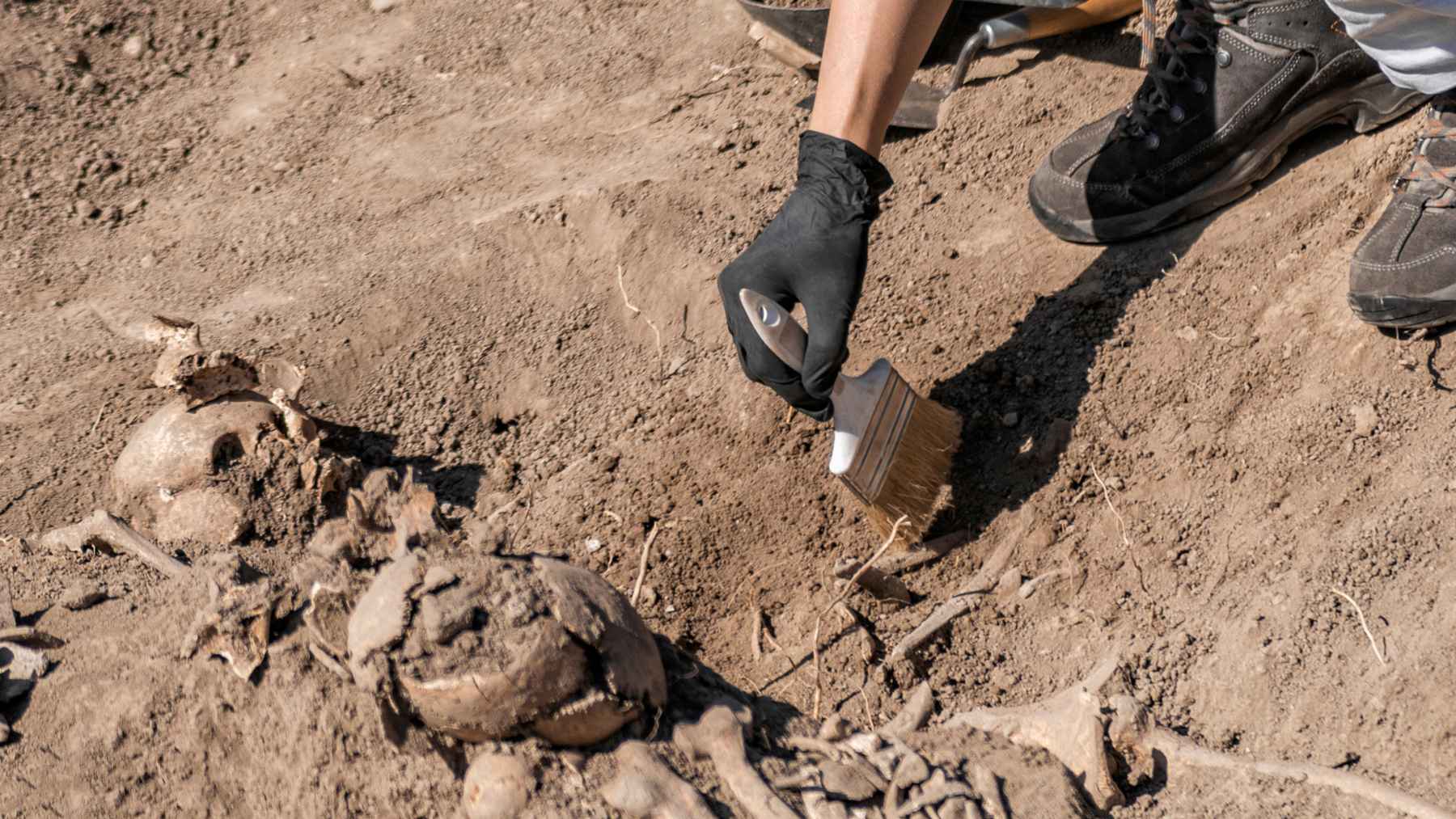
Workers redeveloping a former Debenhams department store in Gloucester, England, expected the usual surprises that come with an old building. Instead, archaeologists documented 317 human skeletons and 83 brick-lined burial vaults below the site in King’s Square, turning a modern construction zone into a record of centuries of city life. The ground remembers.
It is a shocking number, but the bigger takeaway is what those remains can teach us about how urban living shapes health over time. Researchers plan to analyze the bones and teeth, and early observations already point to the moment sugar became common enough to leave visible damage in some mouths. What does a 16th-century sweet tooth look like when it shows up in enamel?
A churchyard hidden in plain sight
The burials were uncovered in what is now the campus courtyard, an area that once functioned as a service yard for earlier retail buildings on the same footprint. Excavations revealed limestone and brick foundations linked to St Aldate’s Church, along with around 83 brick-lined vaults located within the church and its associated burial ground.
If you ever walked through a department store and assumed the ground beneath you was just concrete and utility lines, this site is a wake-up call. Many of the vaults were cleared in the mid-1950s before retail construction, which helps explain how a cemetery could slip out of public memory even as shoppers passed overhead every day.
The numbers behind the discovery
Archaeologists identified about 150 post-medieval burials that were not inside vaults, and another roughly 170 deeper burials that are provisionally linked to the earlier medieval church. Put together, that is 317 individuals, a dataset large enough to reveal patterns rather than just isolated stories.
The work also followed modern rules meant to balance science with respect for the dead. The University of Gloucestershire says burials were recorded and, where construction required it, carefully excavated under a burial license issued by the Ministry of Justice and church authorization from the Diocese of Gloucester.
Gloucester’s history in layers
St Aldate’s was originally founded in the medieval period, but it went through major changes as Gloucester itself evolved. Reports describe the medieval church being demolished in the mid-1650s, followed by a new parish church built in the mid-18th century, and that later building lasting until the early 1960s when it was removed for the department store.
Digging even deeper brought older clues to the surface. In the basement, archaeologists found evidence of Roman-era activity such as robbed-out walls, timber stakes and planking, a deliberately laid compacted stone surface, and small pits and ditches that echo features noted during mid-20th-century works.
Teeth, bones, and the rise of sugar
With excavation finished, the next phase moves into the lab, where the people behind the numbers can start to come into focus.
Cotswold Archaeology’s Cliff Bateman says scientific analysis of the finds and human remains will help tell the health story of Gloucester’s population across about 1,000 years, including the visible “impact of increased sugar in the diet” during the 16th century.
That detail lands differently today, when sweetened drinks and snacks are so normal they can feel invisible. Teeth tend to keep receipts for everyday life, showing cavities and wear patterns that can hint at diet and stress even when written records are thin. The full results are expected later, but the evidence already exists.
What happens to the finds next
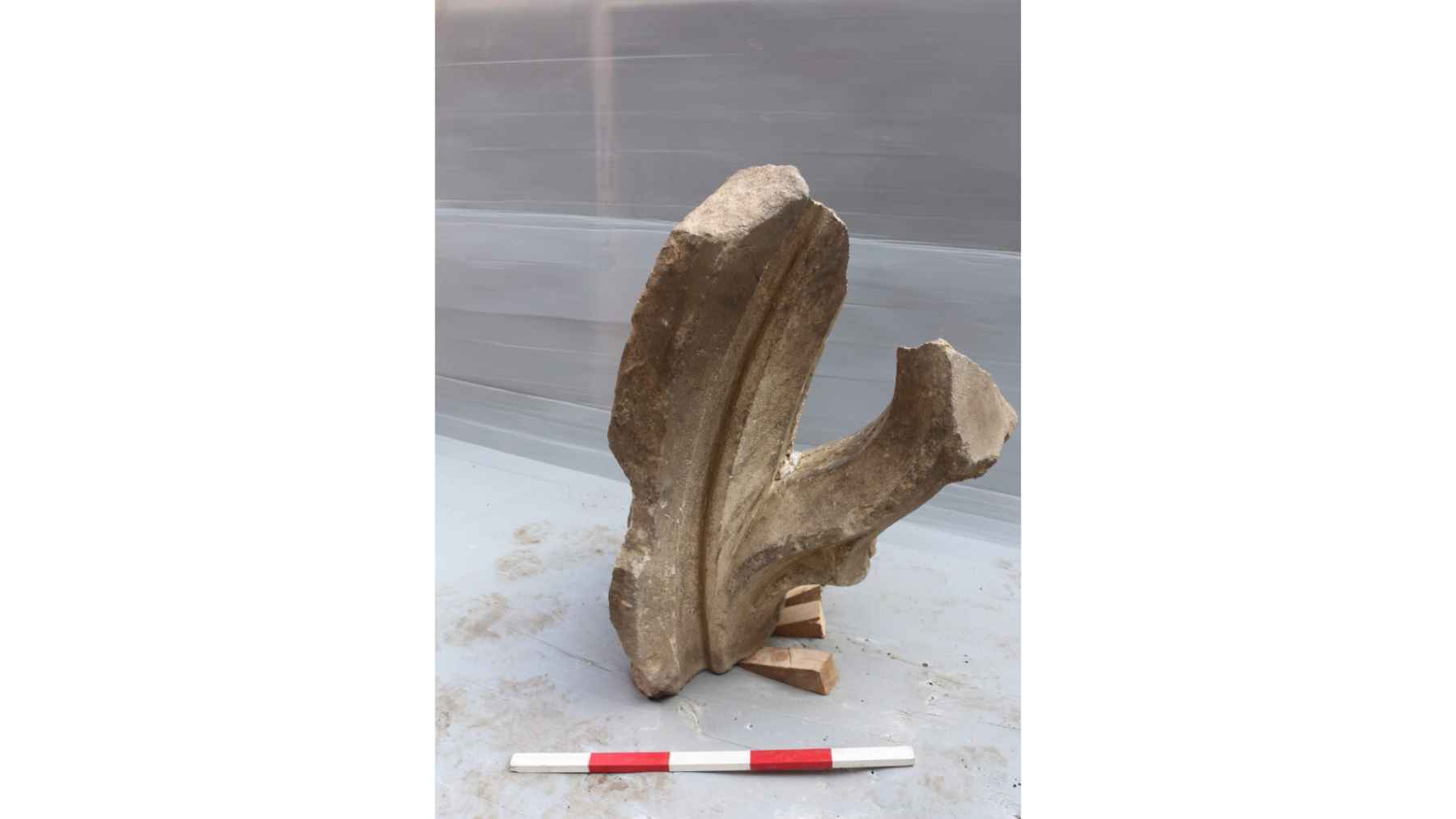
Not everything recovered from the ground is headed to a distant archive. Carved stones linked to the medieval church, including pieces from a mid-14th-century window arch, are expected to be preserved and displayed as part of the new campus.
In practical terms, that is a shift in how urban archaeology is communicated. Instead of treating discoveries as side notes to development, this approach folds them into the new purpose of the site, letting a modern campus also function as a public reminder that the past is still under our feet.
A sustainability story with an unexpected twist
The excavation happened because a “dead retail” building was being reused rather than abandoned, and that has its own environmental ripple effects.
The University says City Campus was created by transforming a roughly 215,000-square-foot structure, and it opened to the public on August 18, 2025. Reuse like that can also ease pressure to build on undeveloped land outside the city.
A few months later, the site got a very public moment when HRH The Princess Royal officially opened City Campus at a January 2026 event that also highlighted the building’s new community spaces, including a public library on the ground floor. It is a neat contrast, really, with school books and library cards above, and a churchyard below.
Sustainability was also baked into the redesign, not just the headlines. University officials say outdated gas boilers were replaced with air source heat pumps, a change intended to cut carbon emissions and, over time, reduce the energy burden that shows up on real people’s monthly bills.
Morgan Sindall reports that about 97% of construction waste was diverted from landfill and that the project achieved roughly 147 metric tons of carbon dioxide equivalent savings during construction, about 162 U.S. tons when converted.
More analysis of the Gloucester burials will follow, and the story will likely expand as lab work turns bones and teeth into clearer evidence about diet, disease, and daily life.
The press release was published on the University of Gloucestershire.